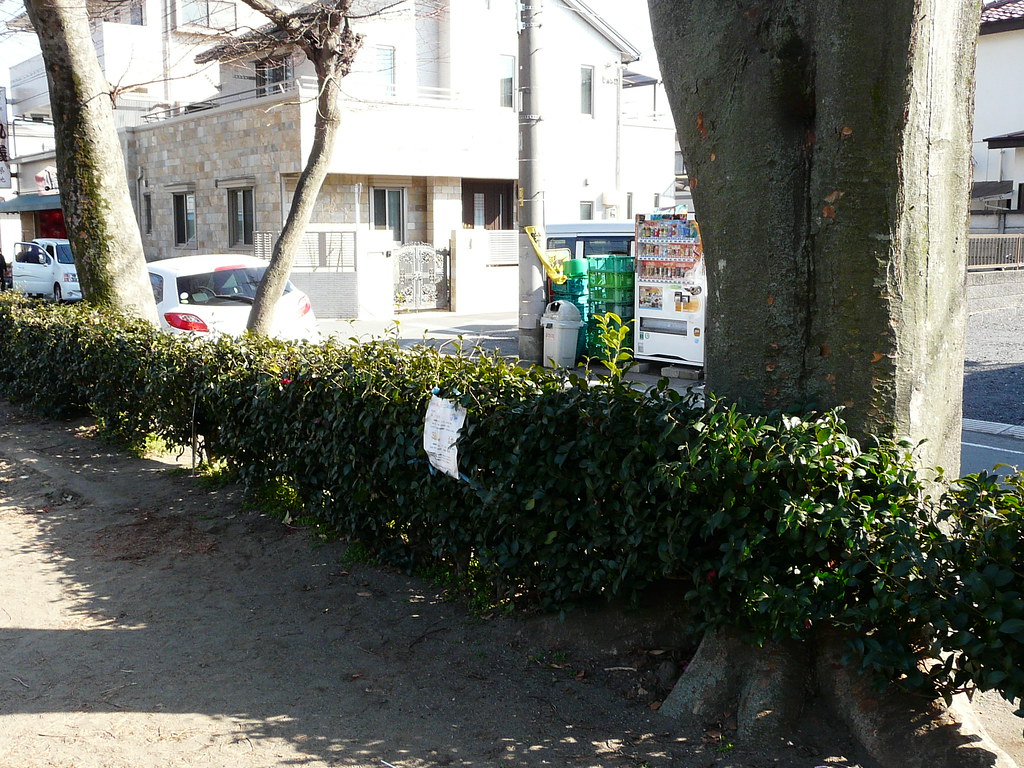
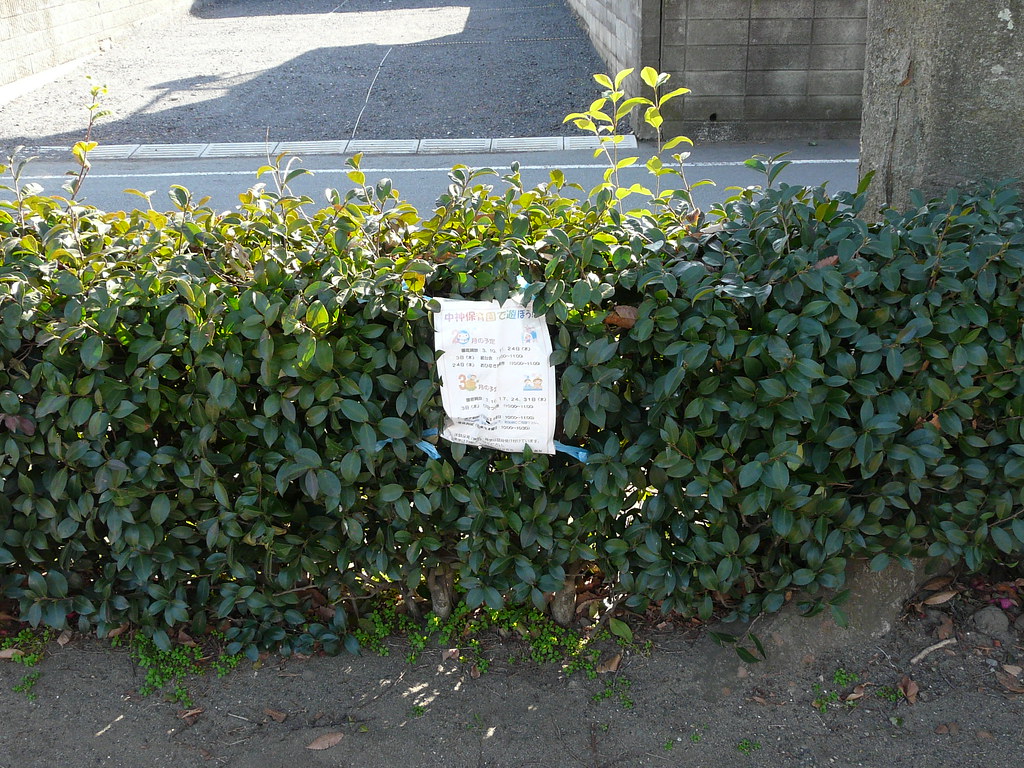
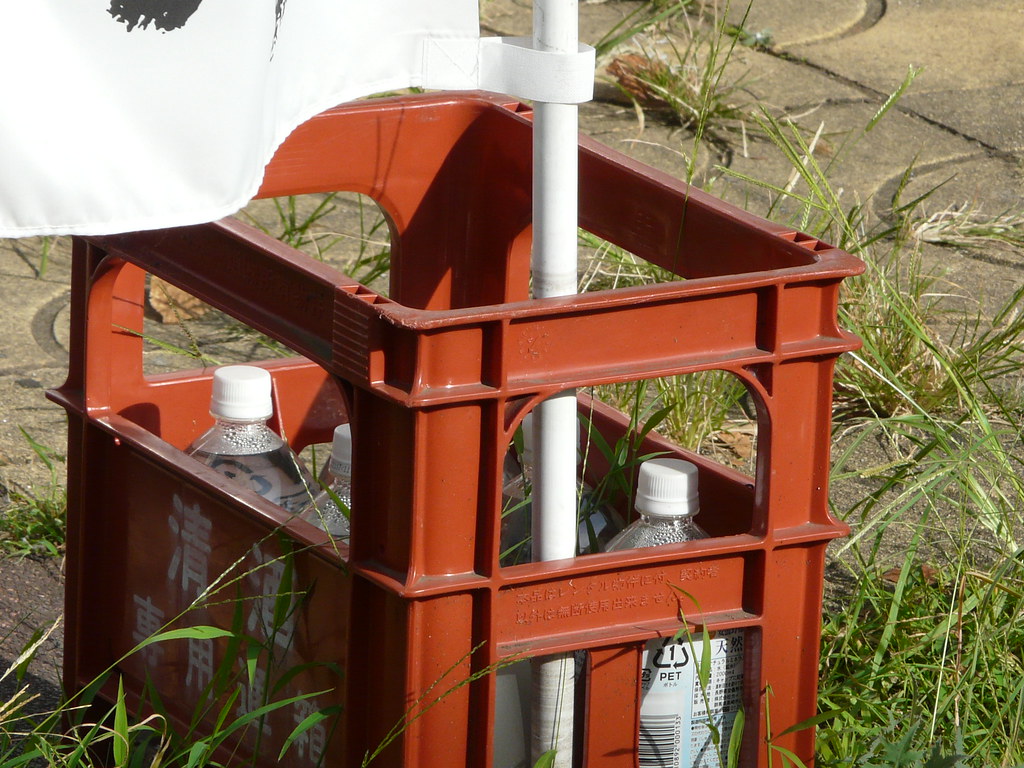
Park bench constructed from household seating and plastic twine.
See “Bus stop chairs are gifted, unmatched, and spontaneous” for an insightful take on the subject (on Tokyo Green Space).
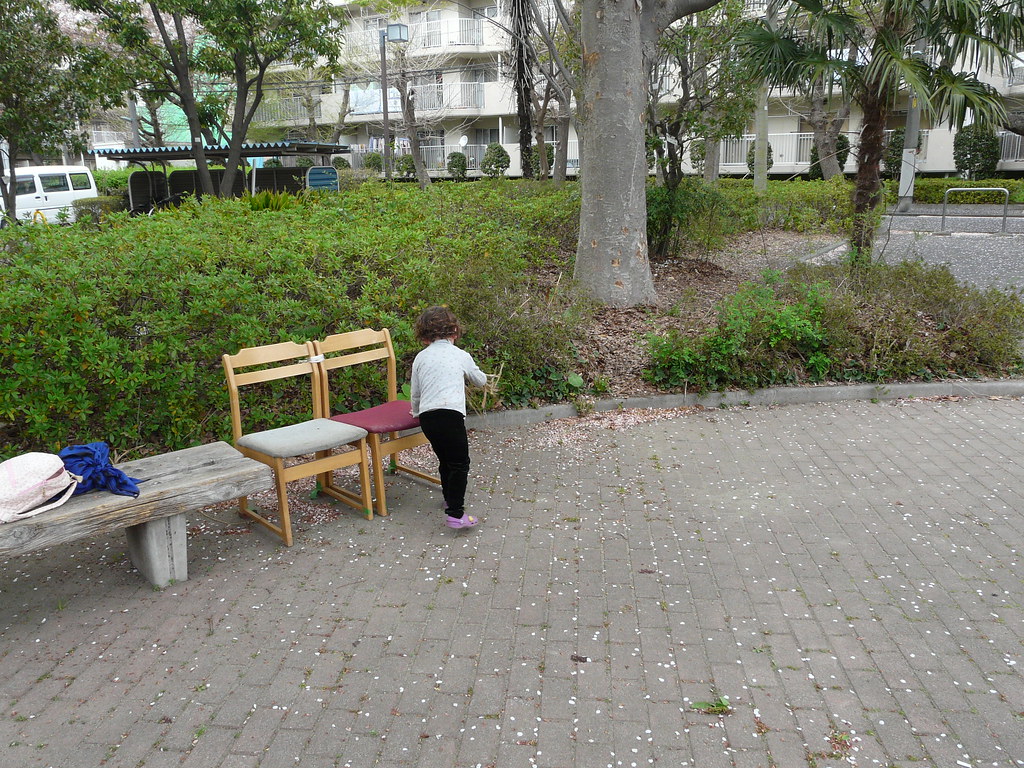
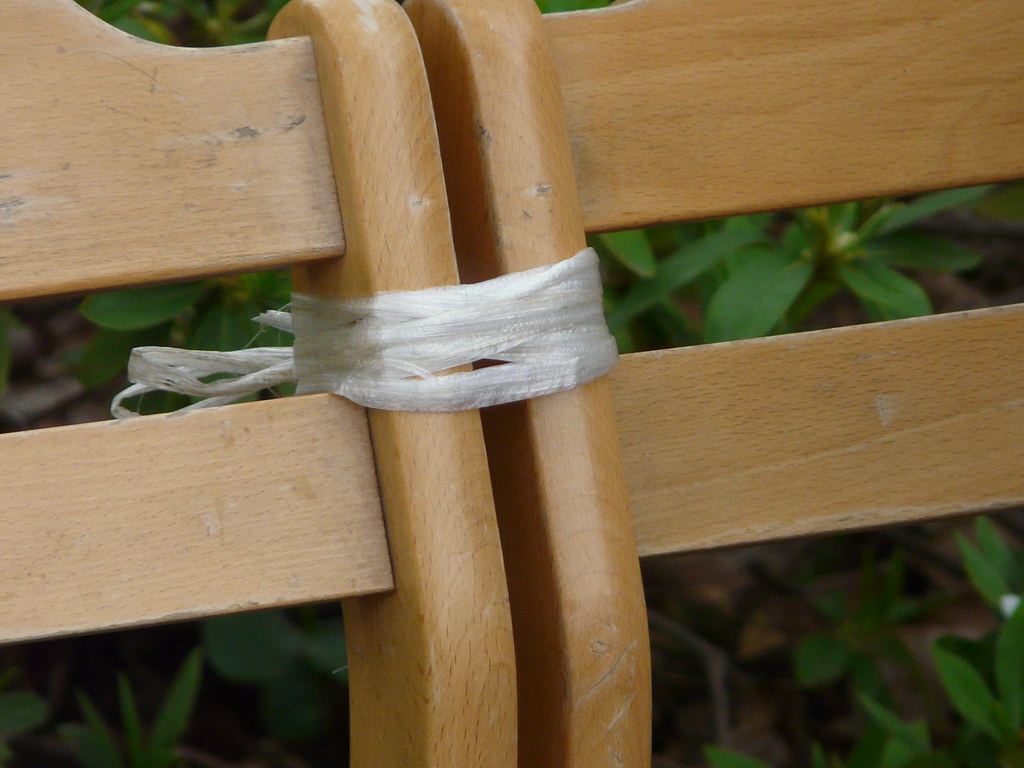
Materials: Plastic Twine
Location: Akishima, Tokyo
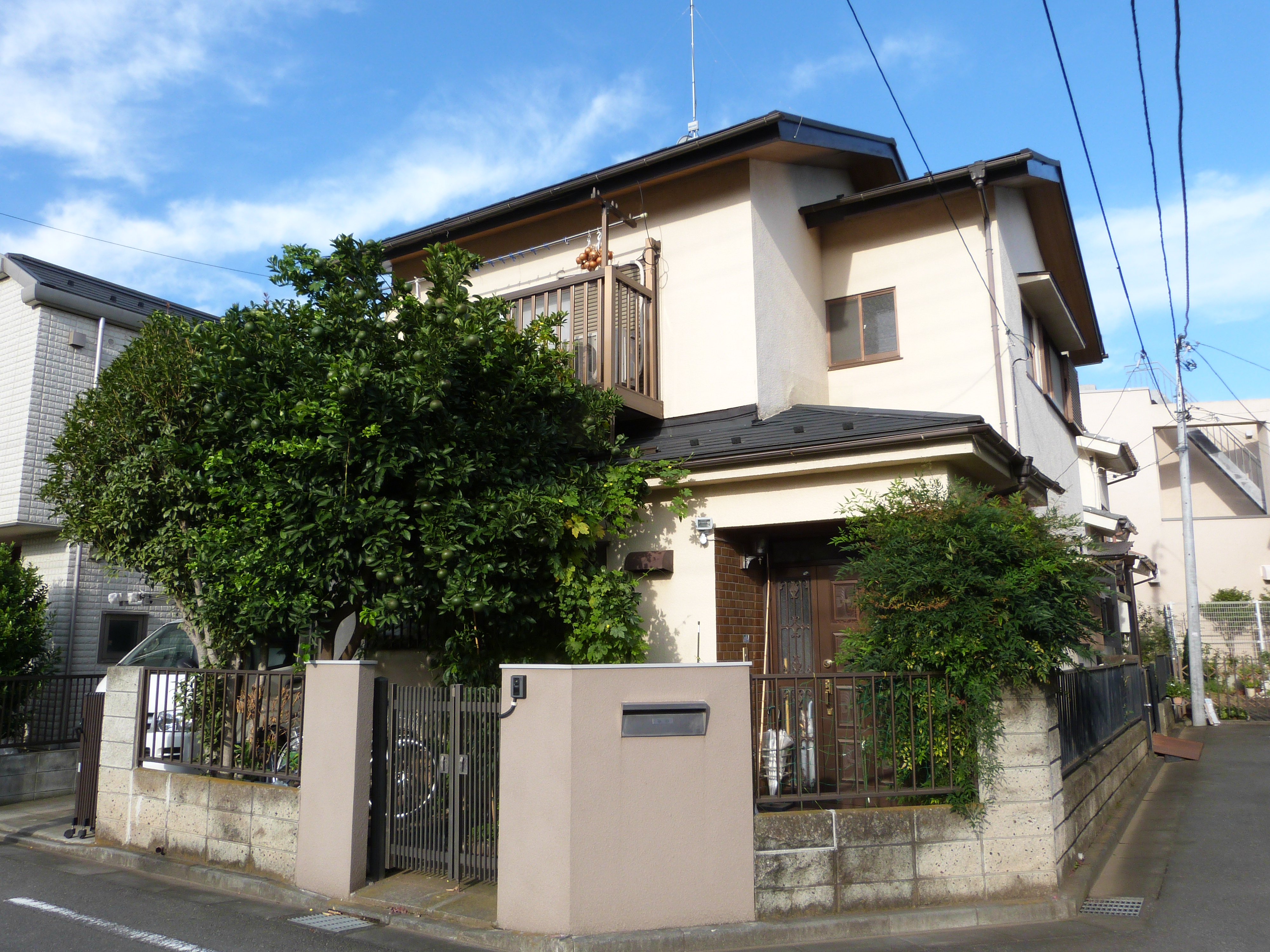
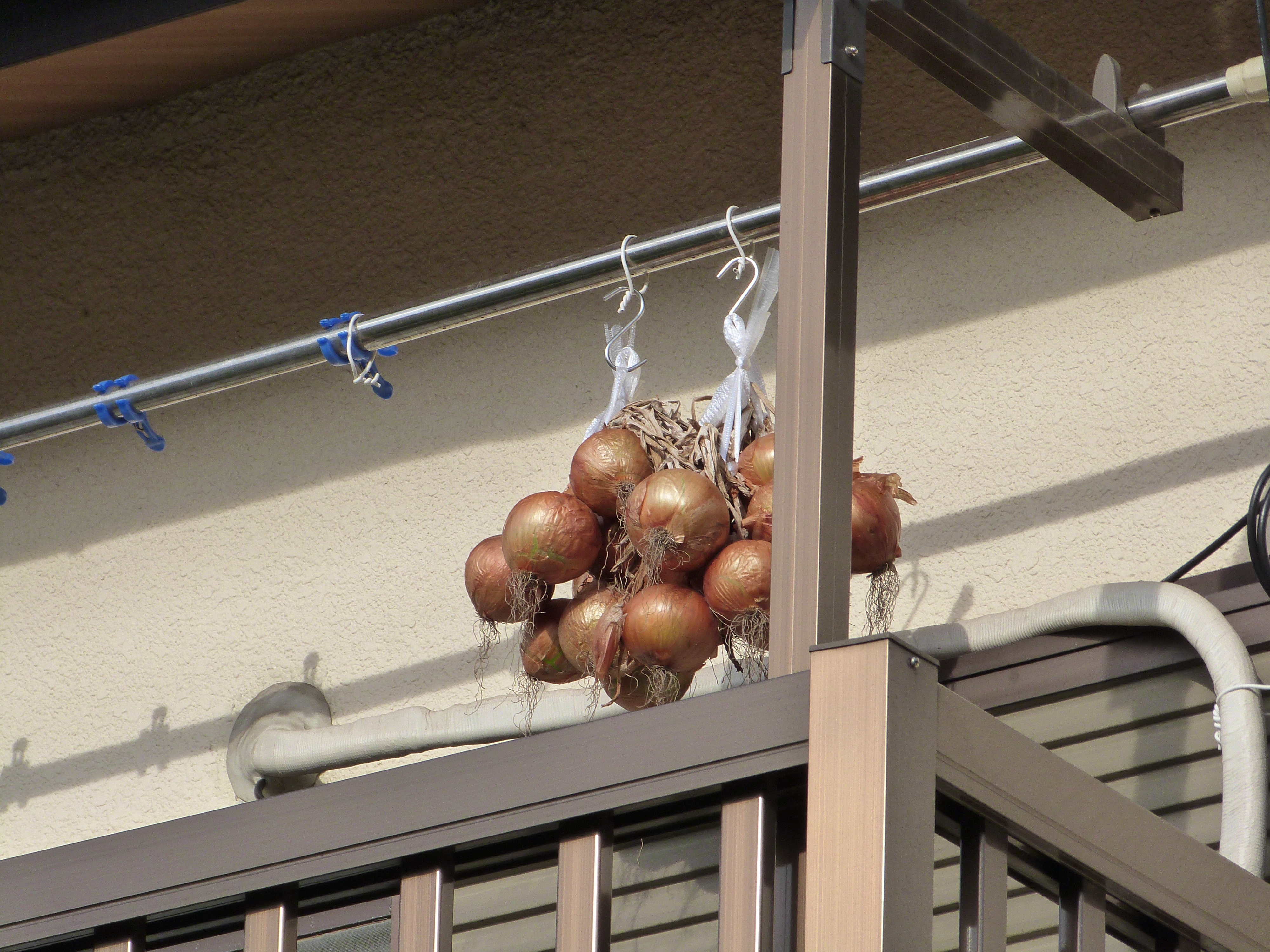
Simple hanger made of Tokyo DIY essentials plastic twine and s-hooks (Tokyo’s superglue) keeps onions tasty in early autumn.
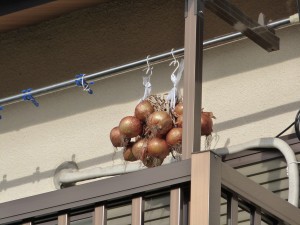
Materials: Plastic Twine, Hooks
Location: Akishima-shi, Tokyo
Overview of items fixed and back in use in the rubbish center. The center tool stock comes almost entirely of rescued items from apartment complex trash.
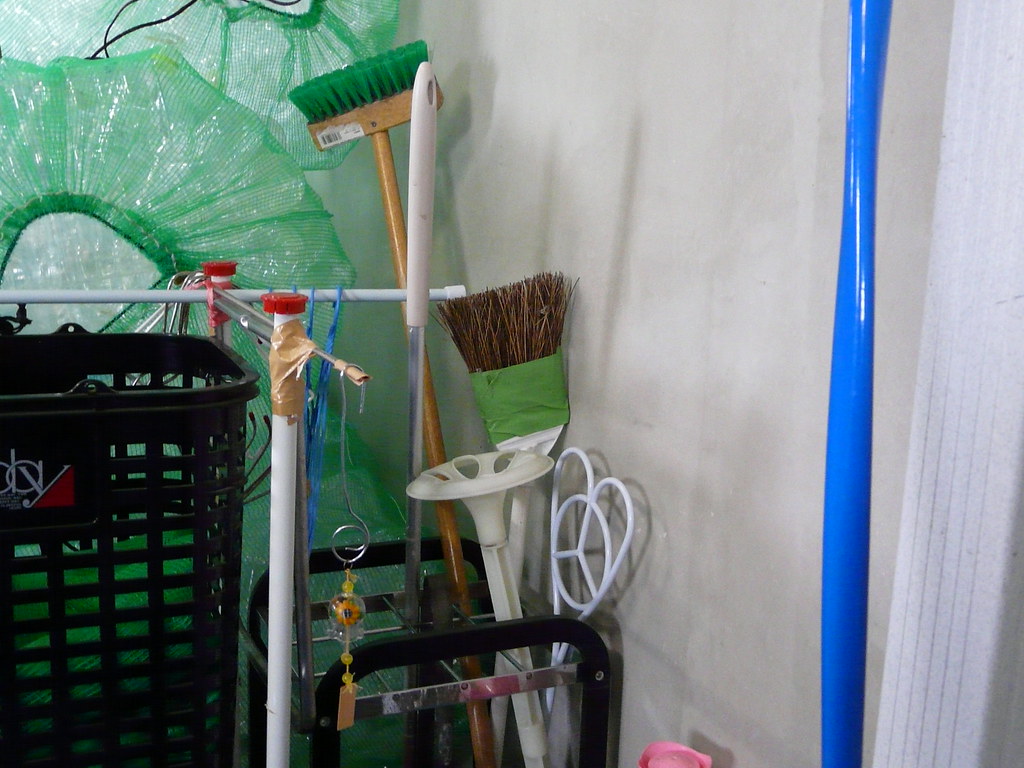
Broom saved from the trash heap with a large helping of duct tape. Now in use.

Detail of hand made rack in rubbish center. Construction in plastic twine and tape.
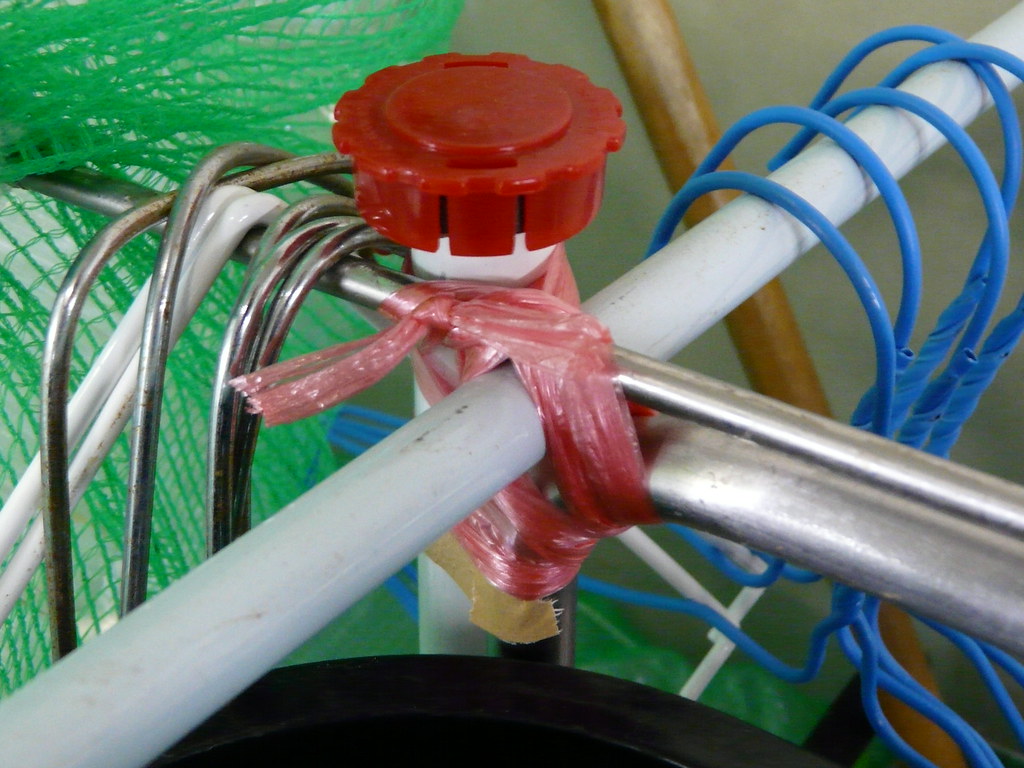
Materials: Duct Tape, Plastic Twine
Location: Setagaya, Tokyo.
This example is a note for a pamphlet on “Hand Made Aspects of Mass Produced Housing”. Subscribe to my somewhat-frequent letter HERE if you want to keep in touch easily.
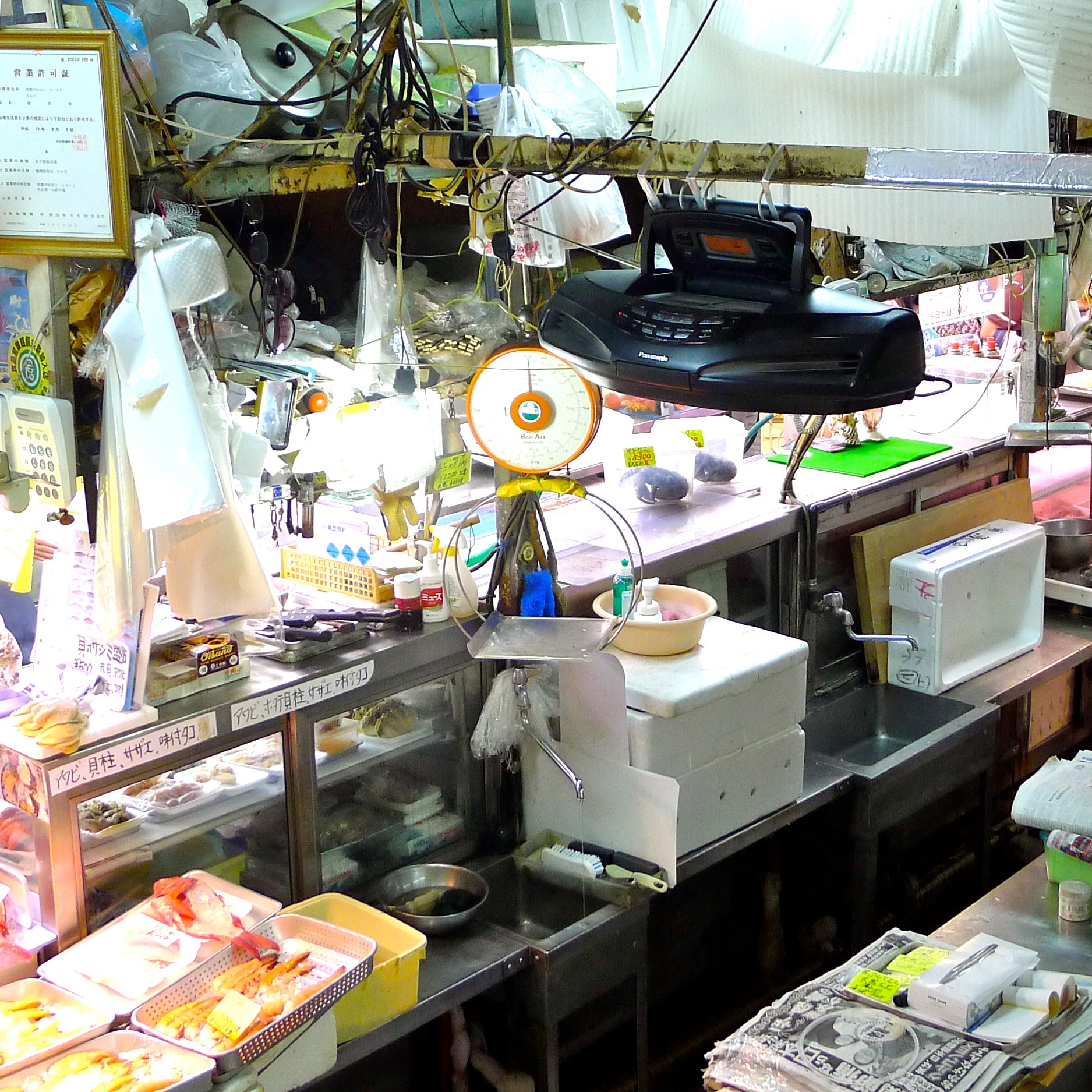
Tokyo based design researcher Celine Mougenot introduces this great DIY sound system spotted in Okinawa.
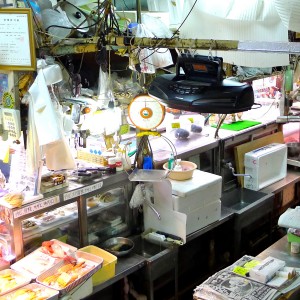
Materials: Plastic Twine (?)
Location: Okinawa
Trees decorating the entrance are stabilised with plastic twine and string
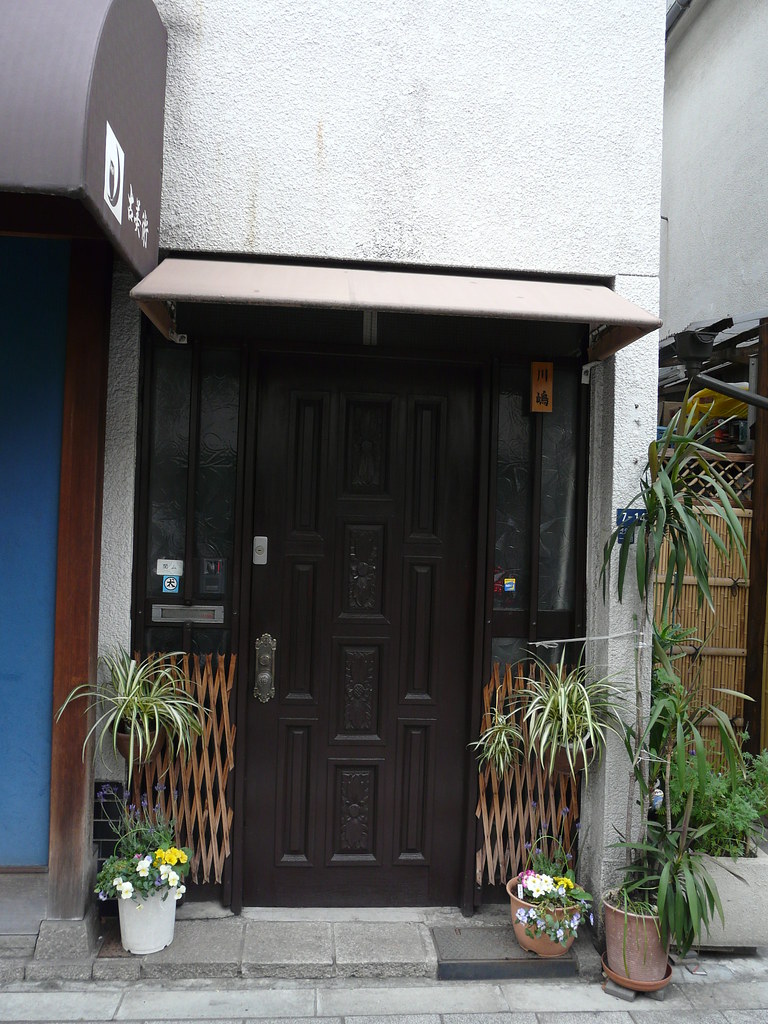
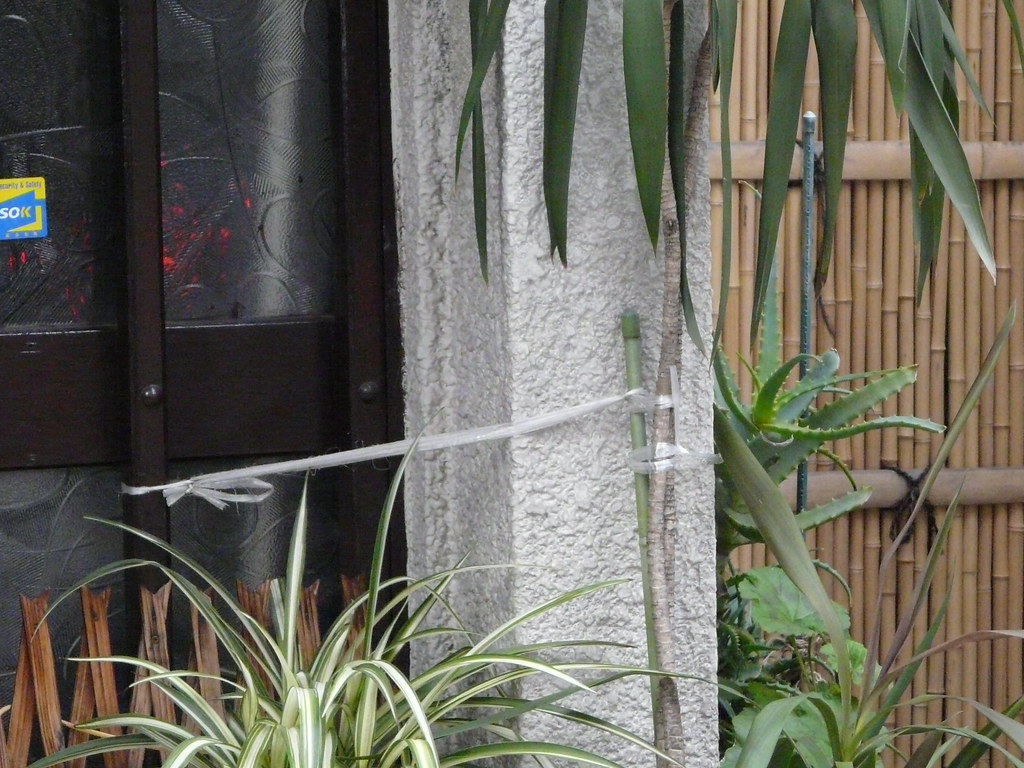
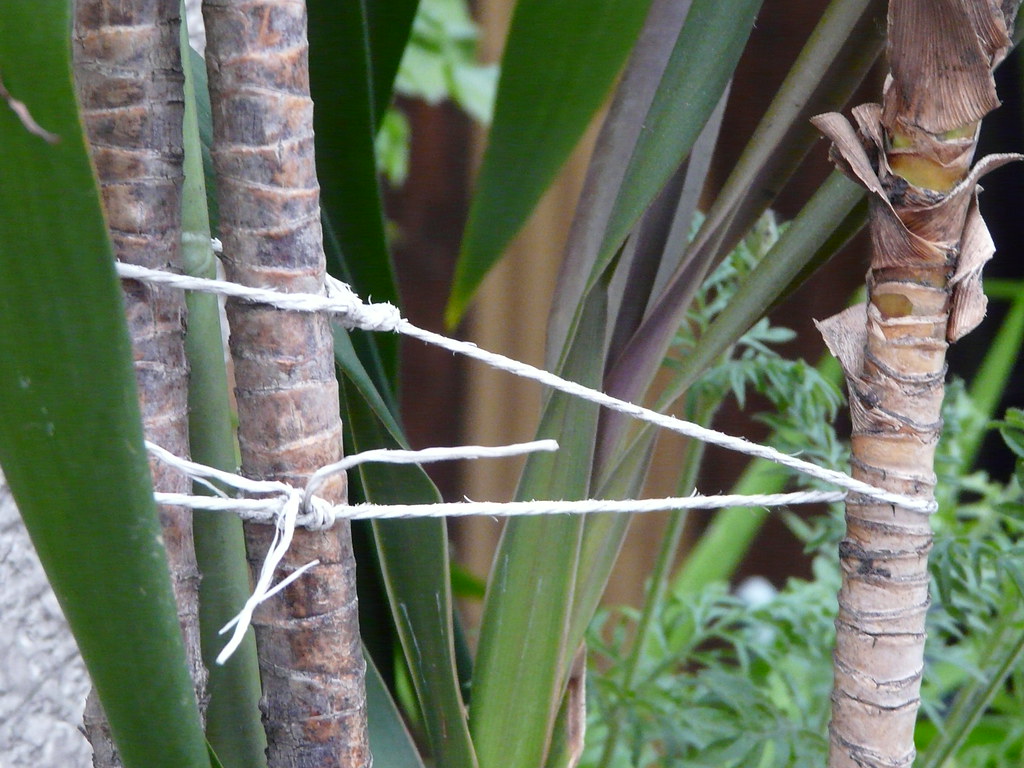
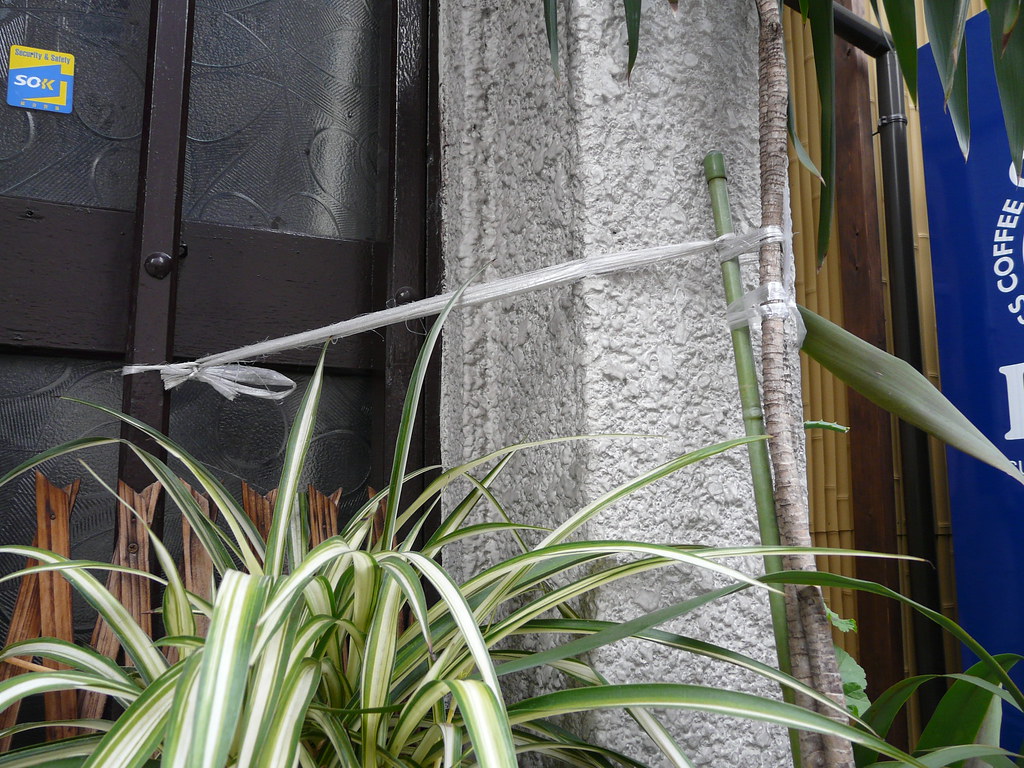
Materials: Plastic Twine, String
Location: Minato-ku, Tokyo
Streetside storage for net used on rubbish day.
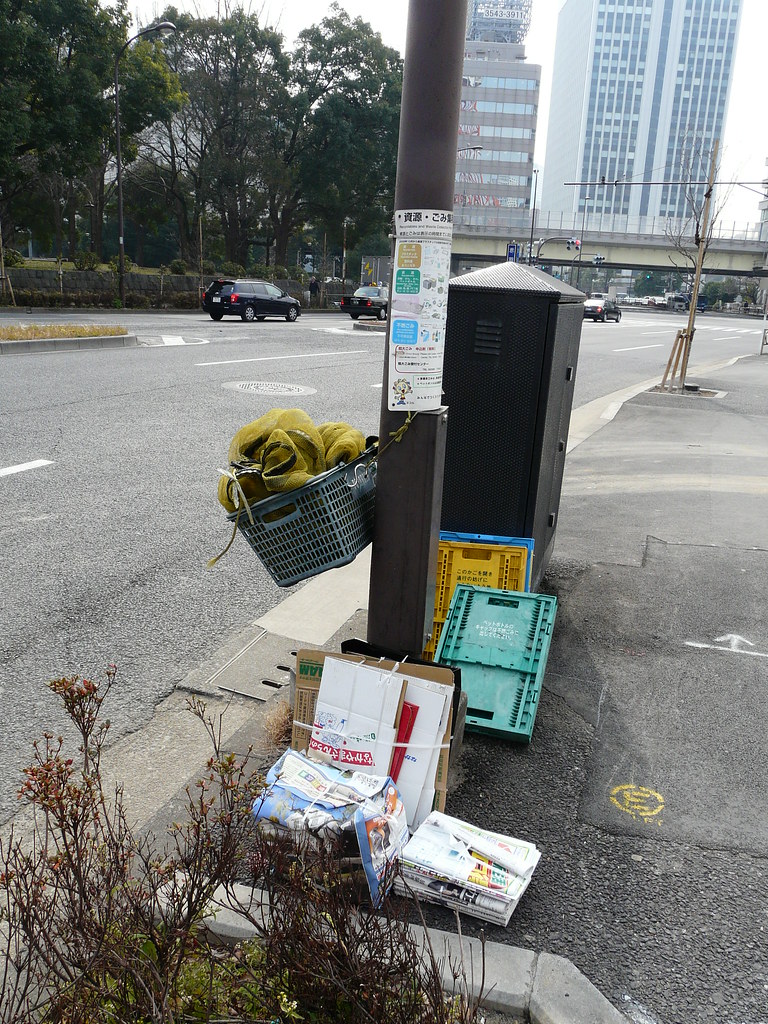
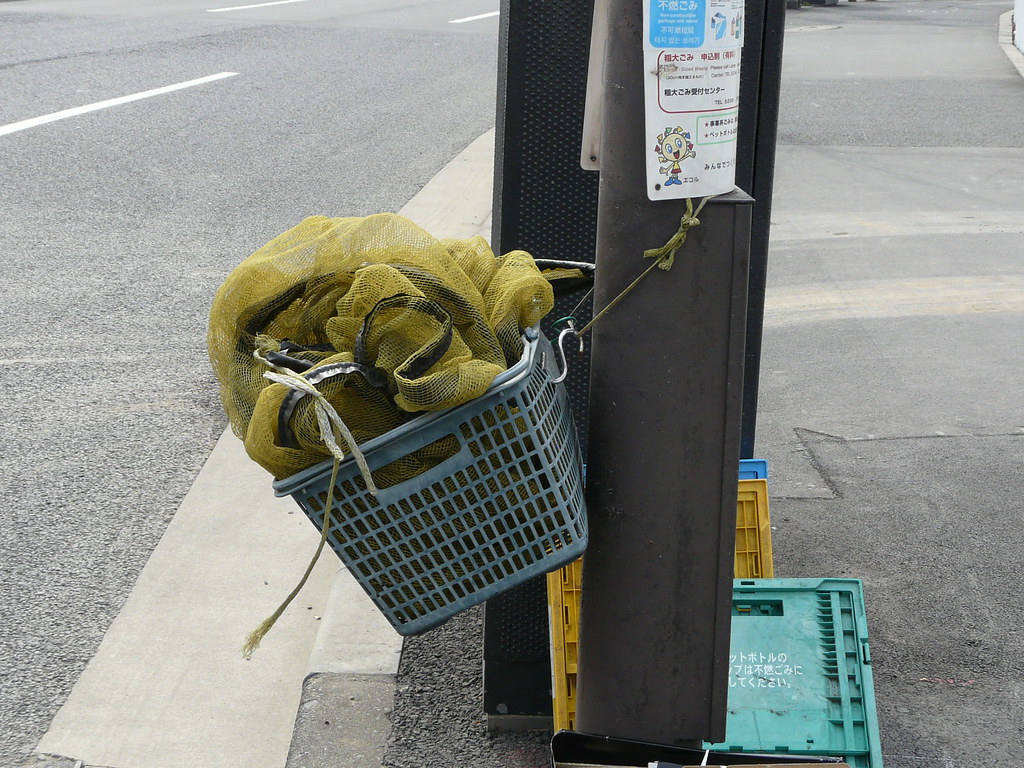
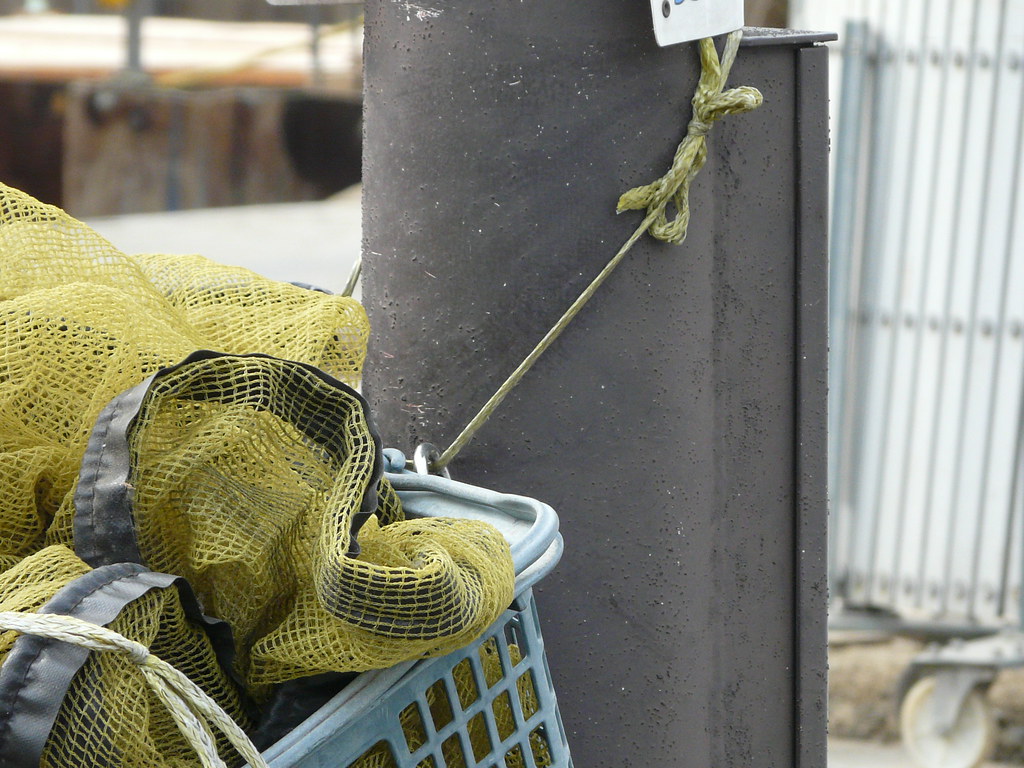

Materials: Shopping Basket, Plastic Twine, S-Hook
Location: Akabanebashi, Tokyo
As I rode my kick scooter across Tokyo from Shibuya to Ochanomizu, on the way to the Tokyo Mapping Workshop in the heat of summer I turned a corner in a deserted backstreet and ran straight into these monsters…… so tall they need to be tethered to the chain link fence for support as they wither.
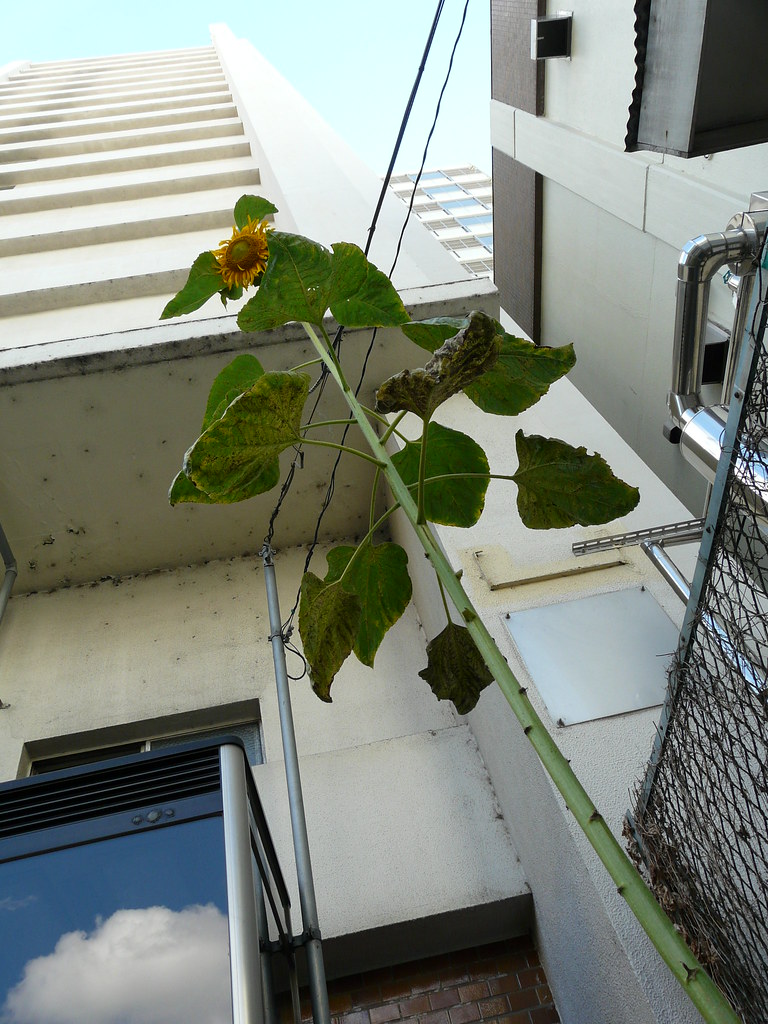
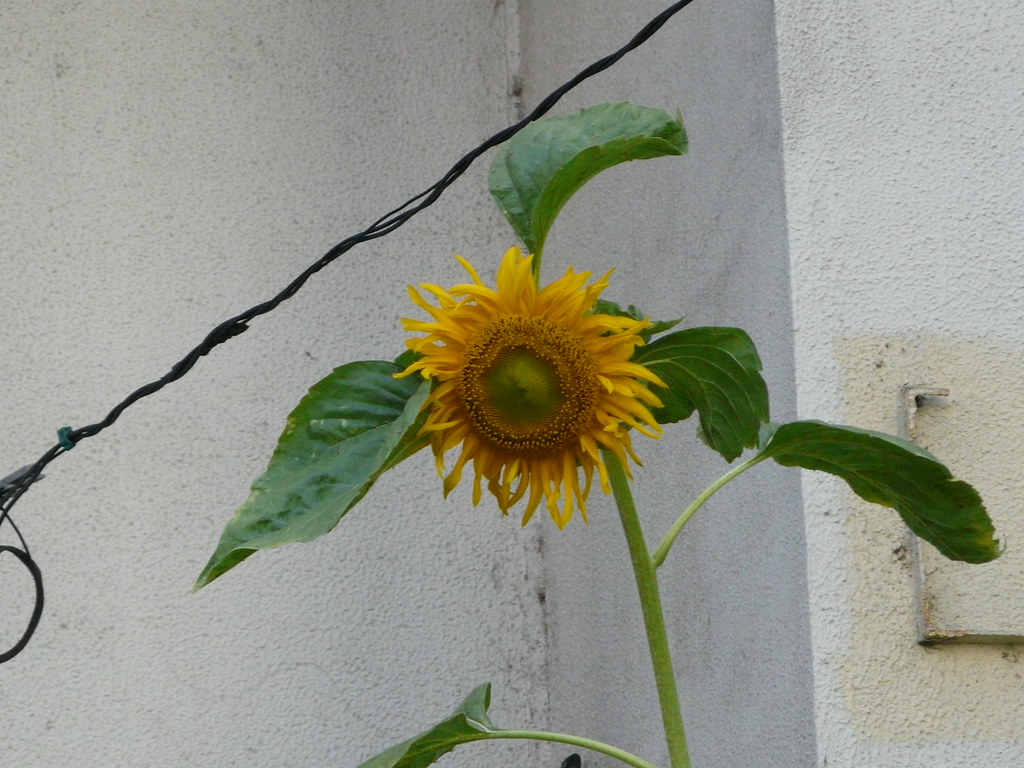
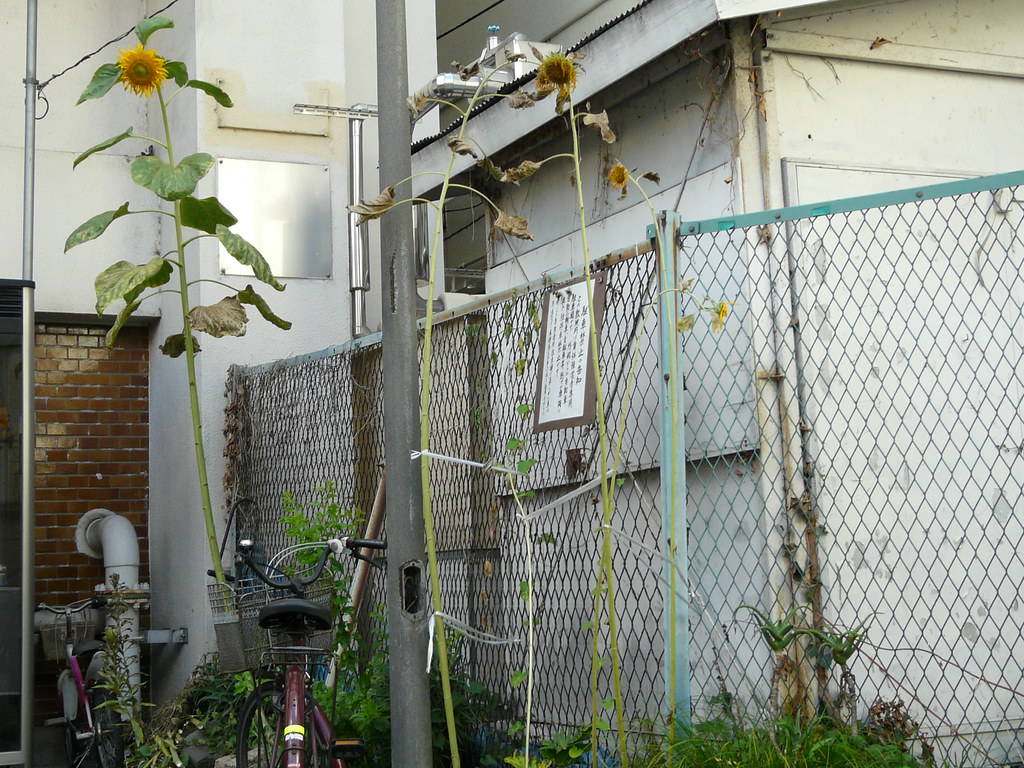
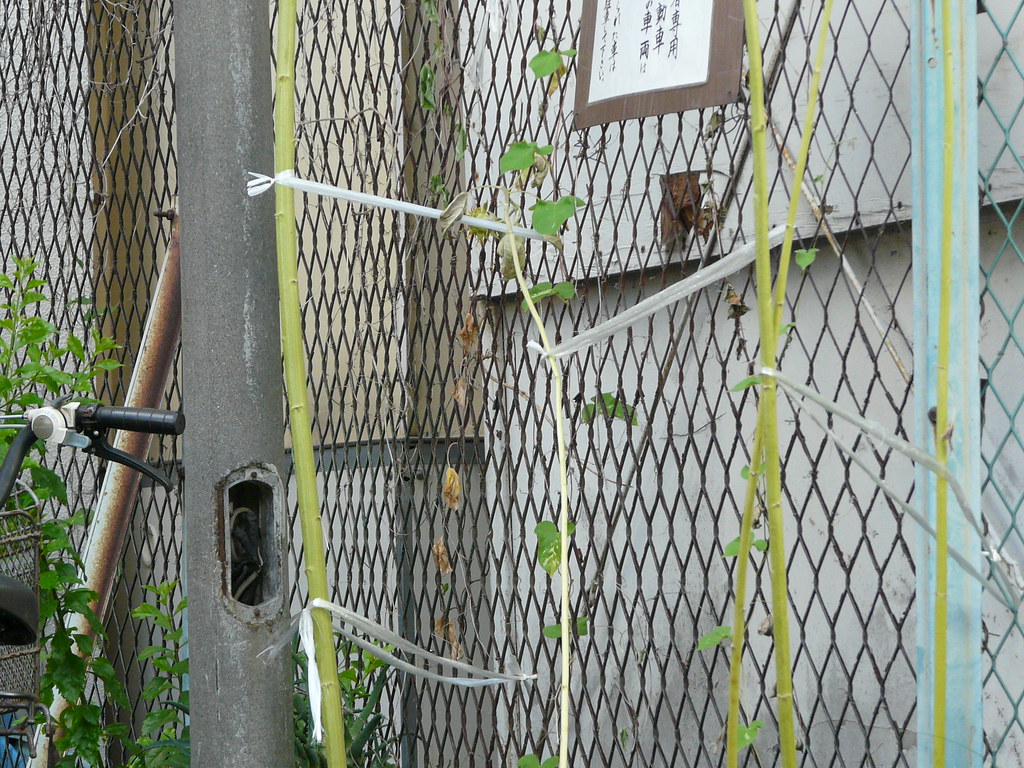
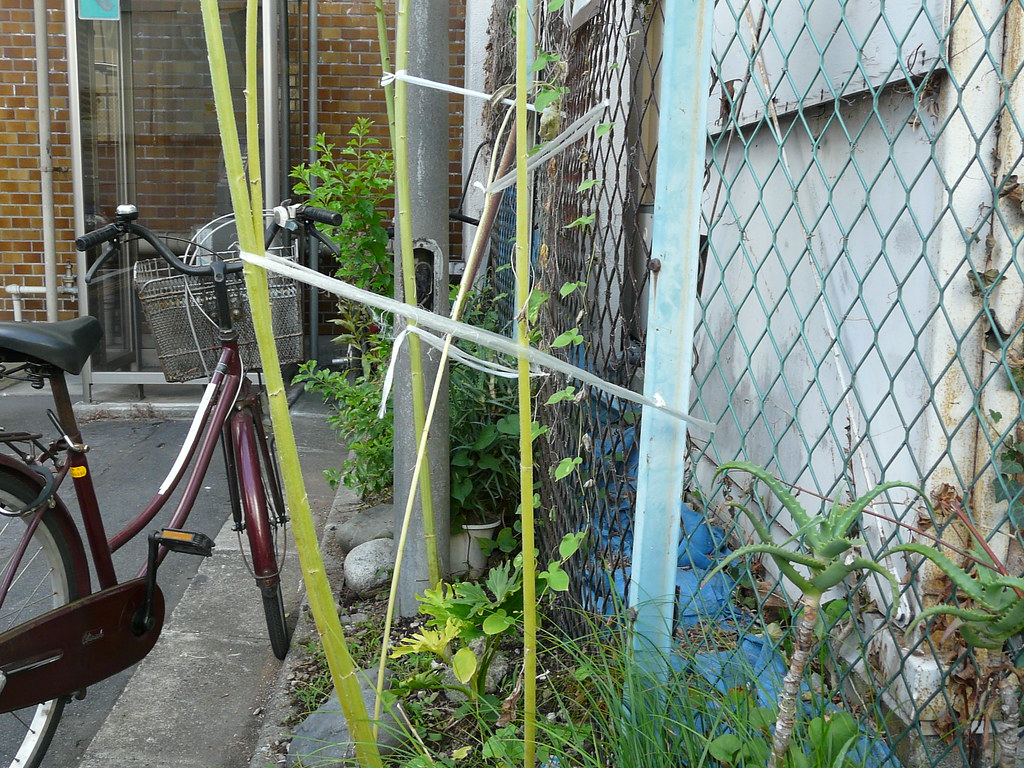
Materials: Plastic Twine
Location: Shibuya, Tokyo
Lots more Tokyo sunflowers [HERE] and on Tokyo Green Space [HERE]
Originally posted on Tokyo-DIY-Gardening
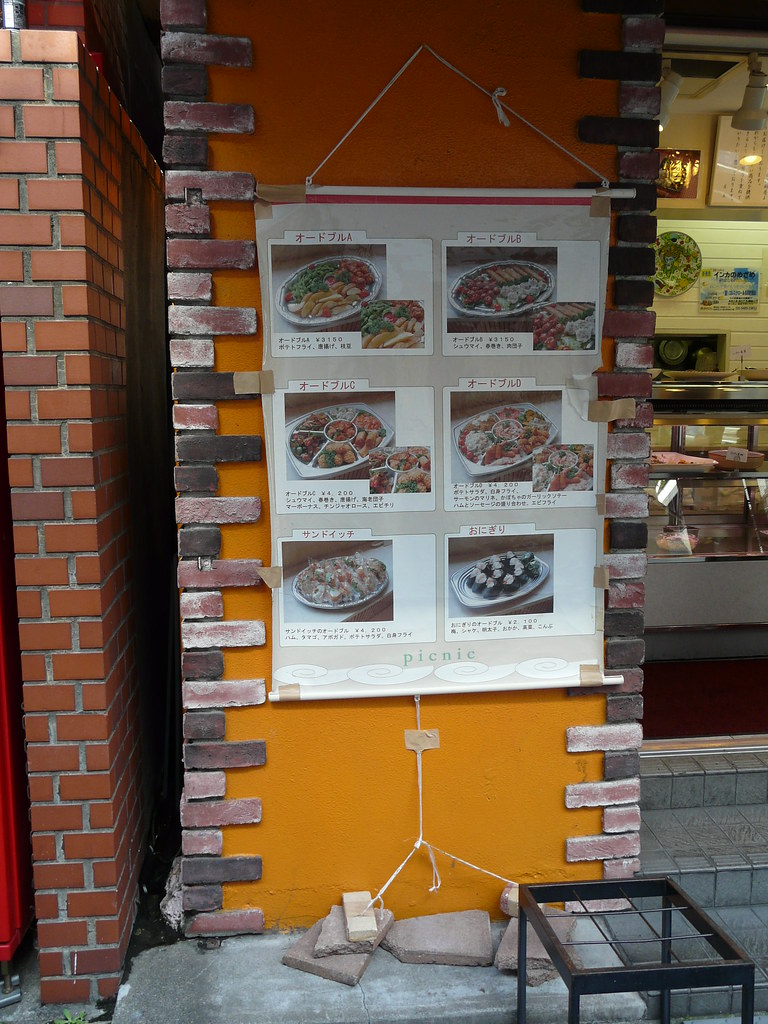
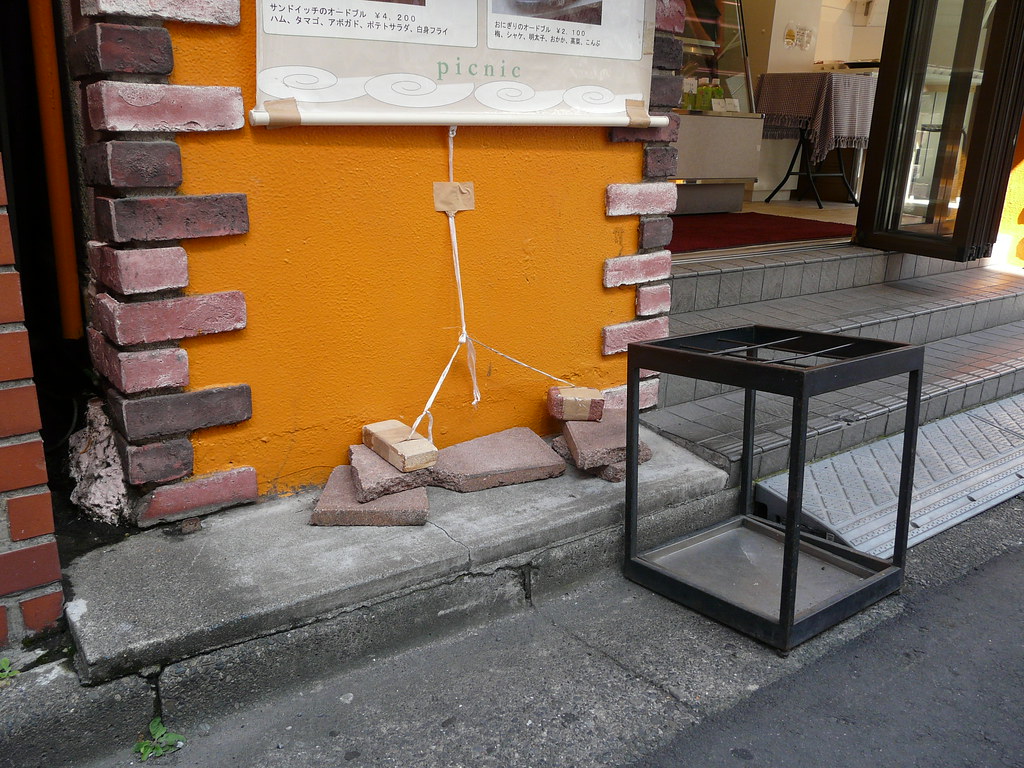
Pamphlet stand outside during business hours – tied to the pedestrian railing with plastic twine for stabilisation.
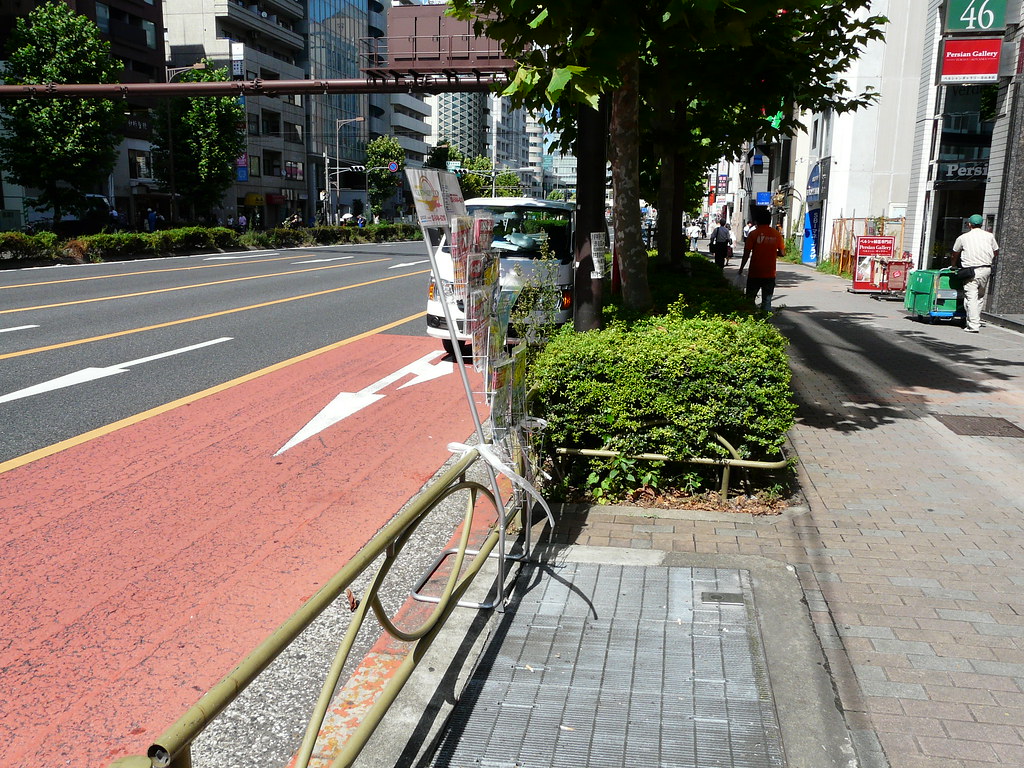
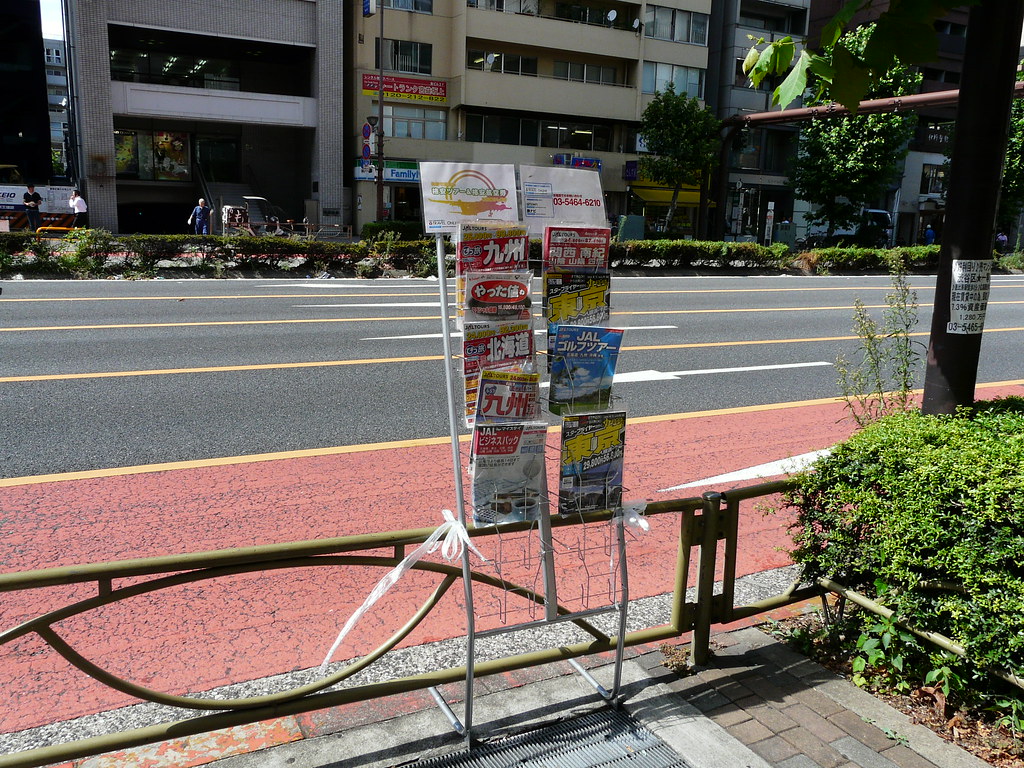
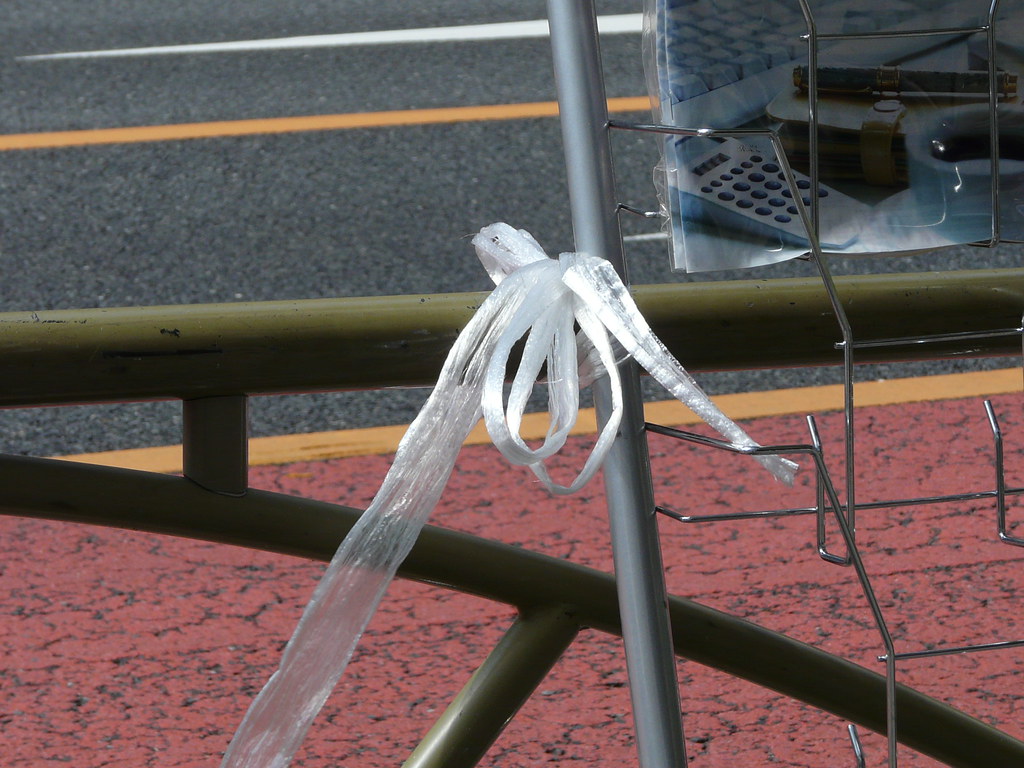
Materials: Plastic Twine
Location: Shibuya, Tokyo
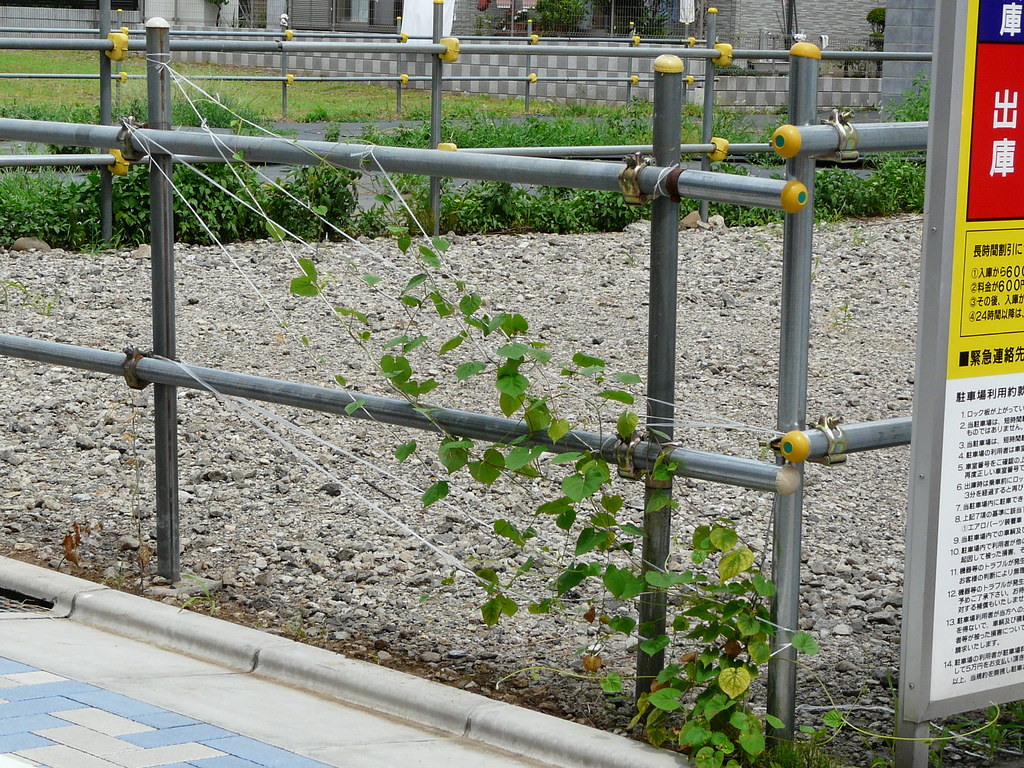
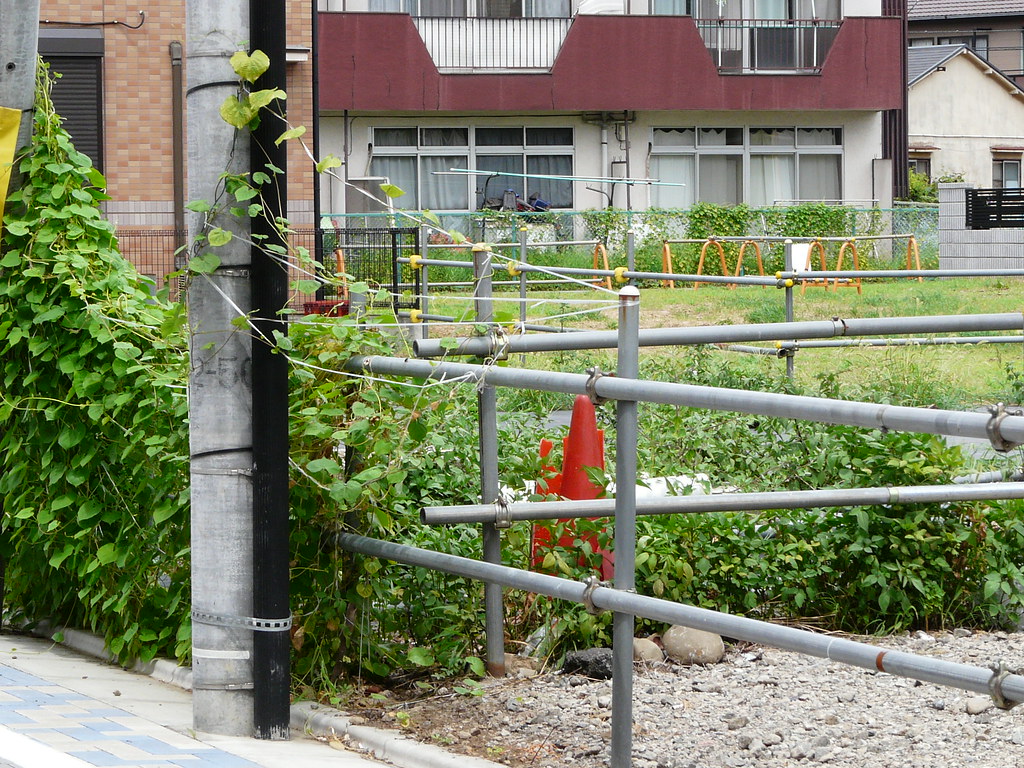
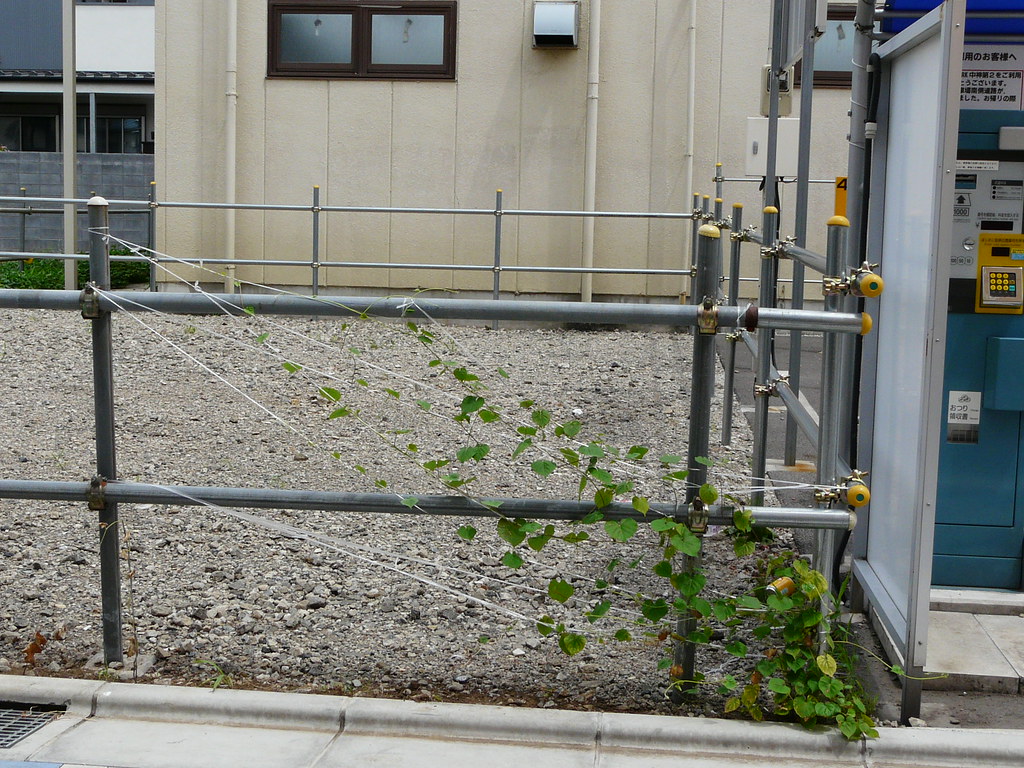
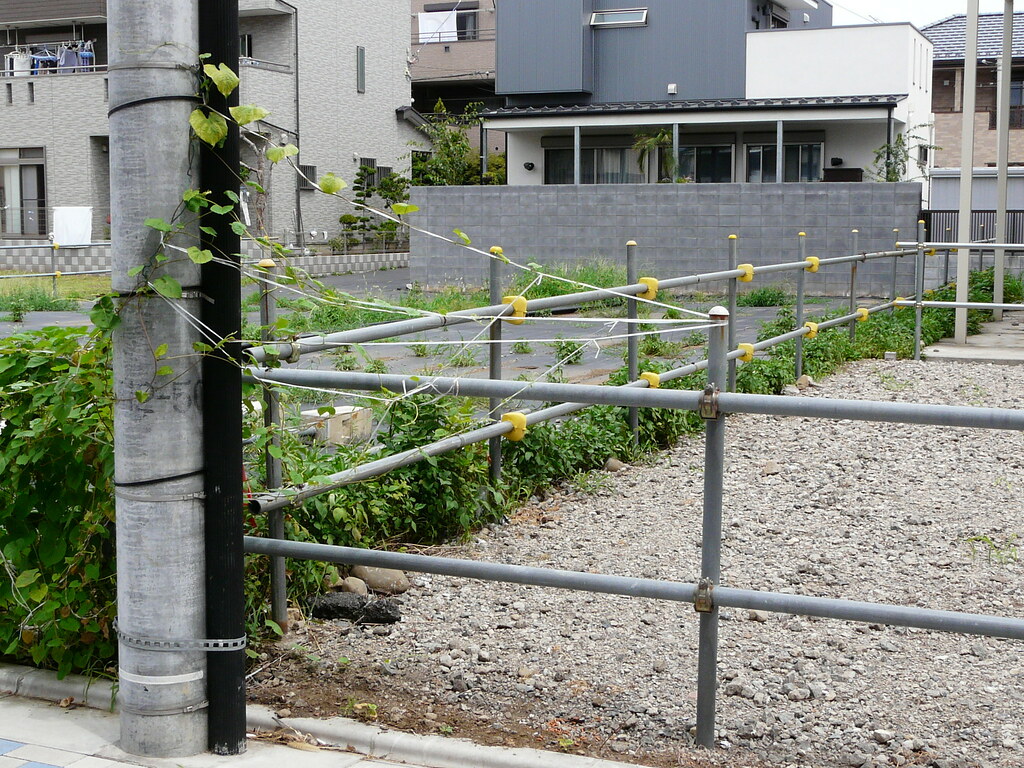
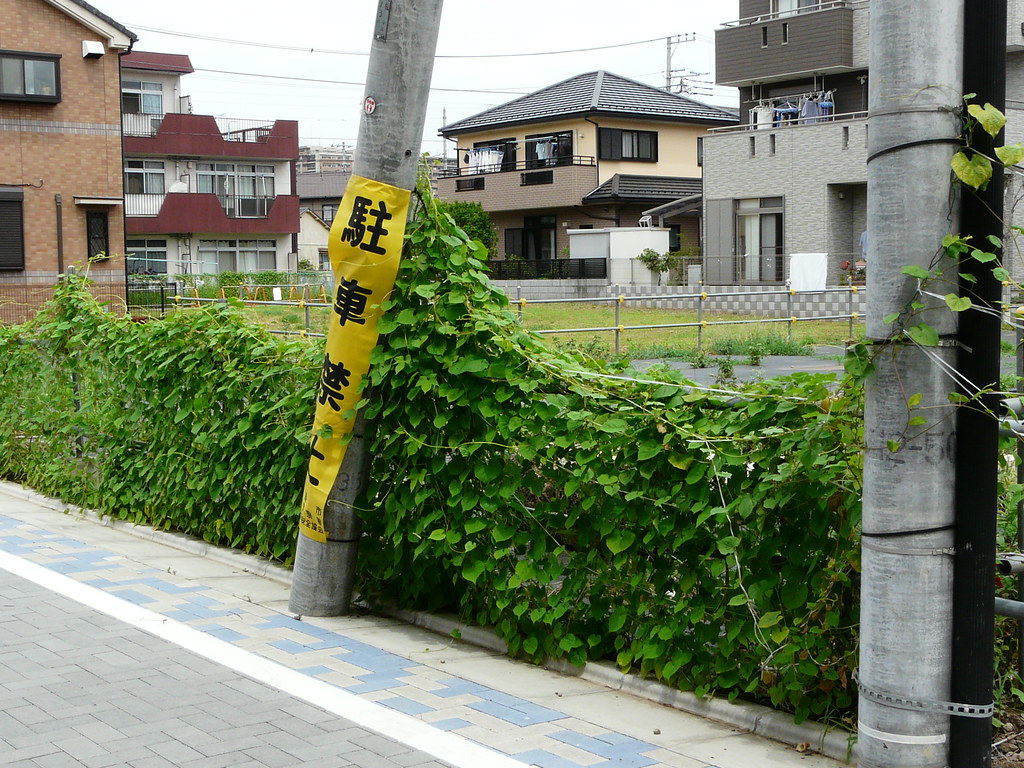
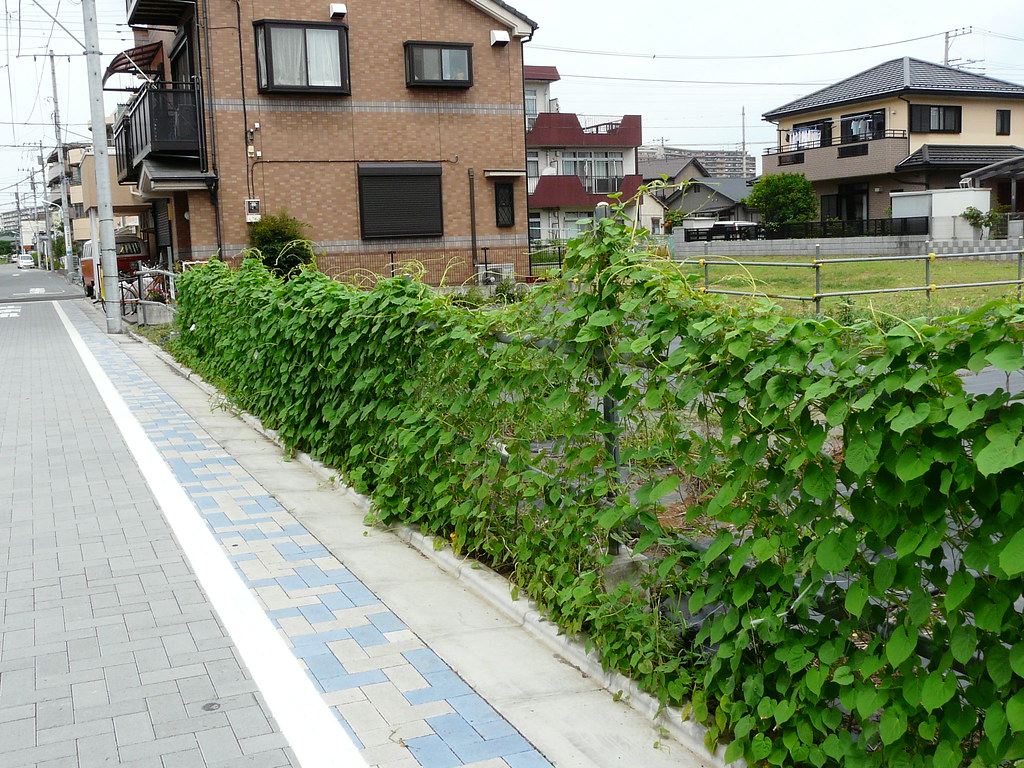
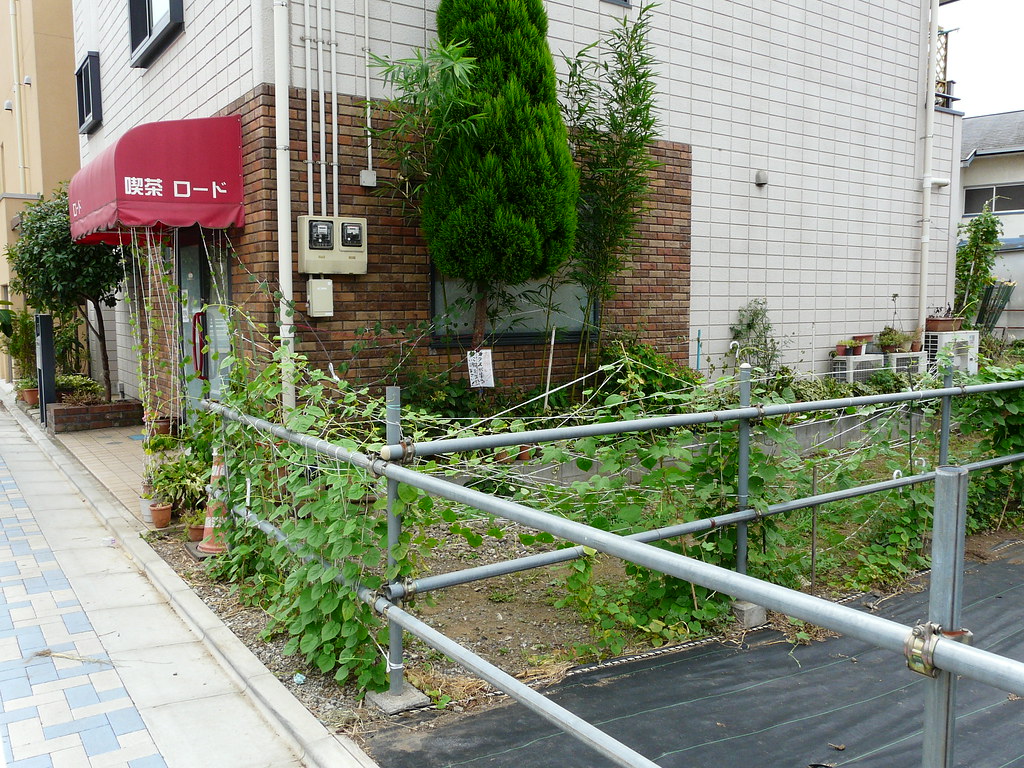
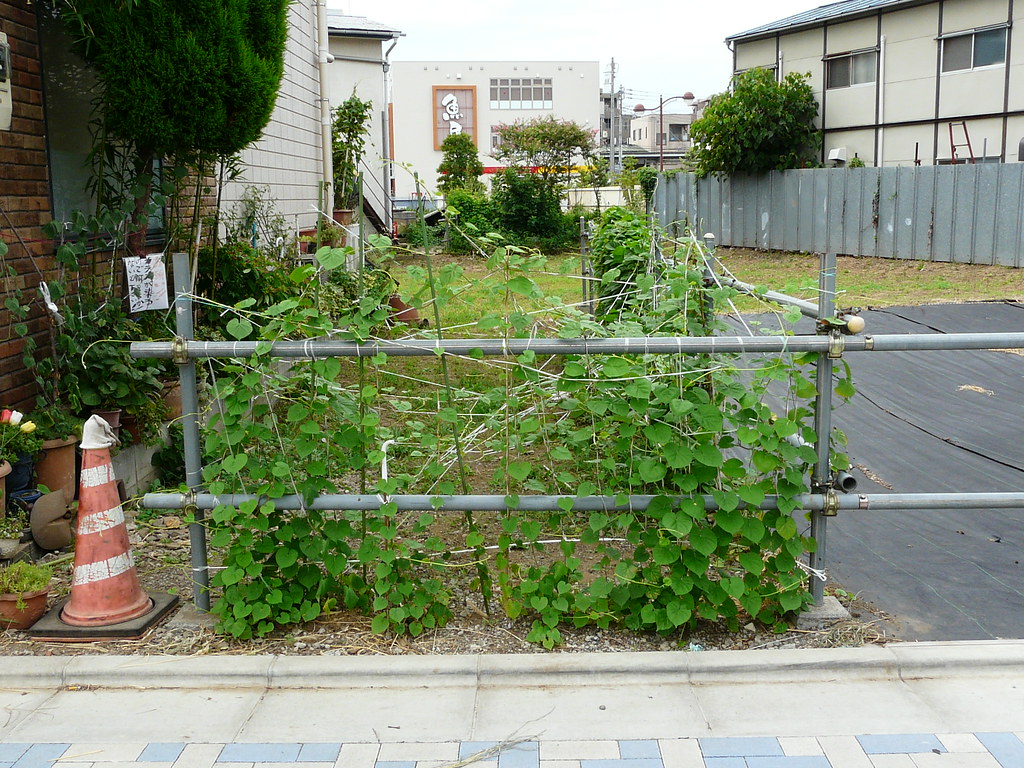
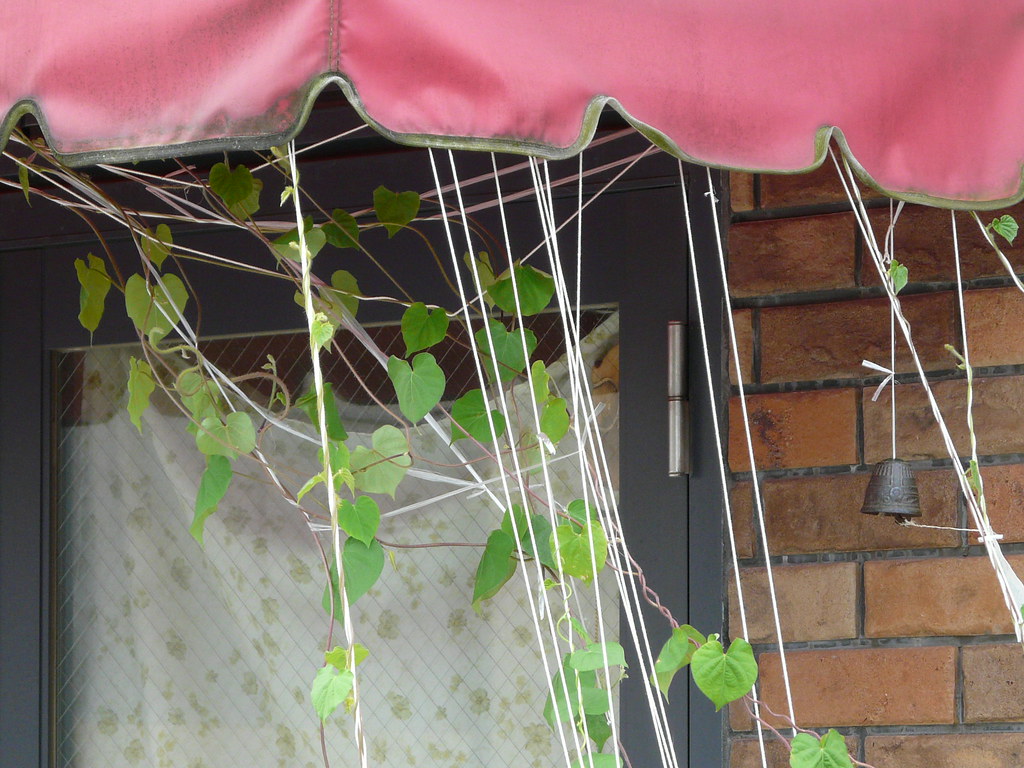
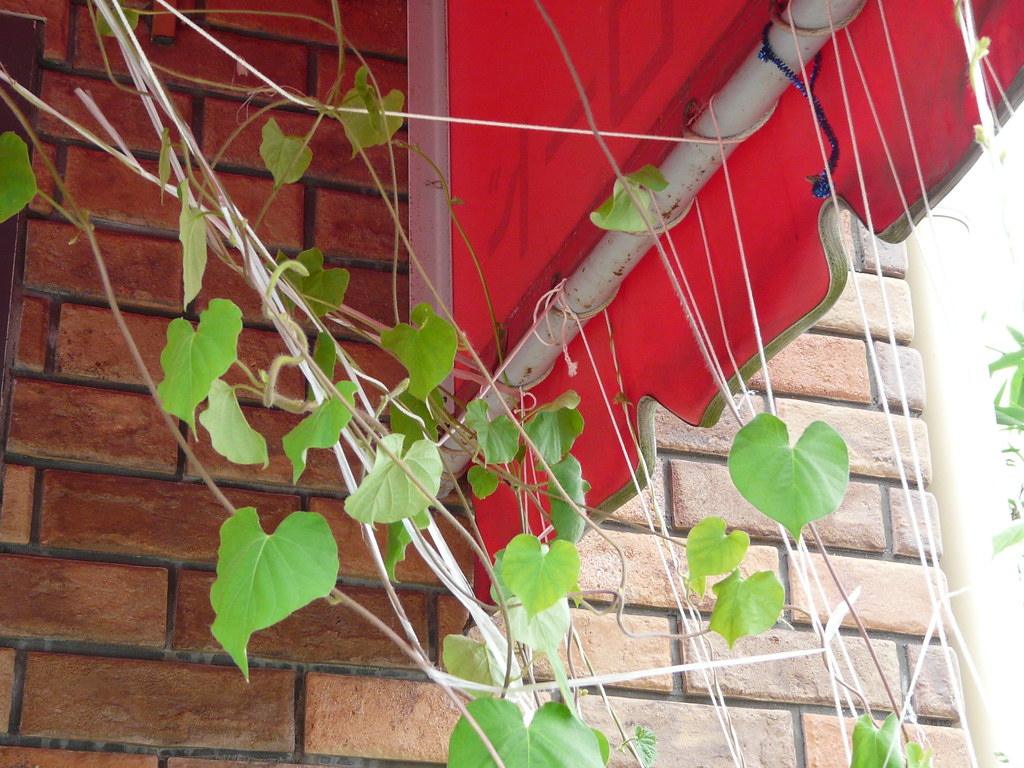
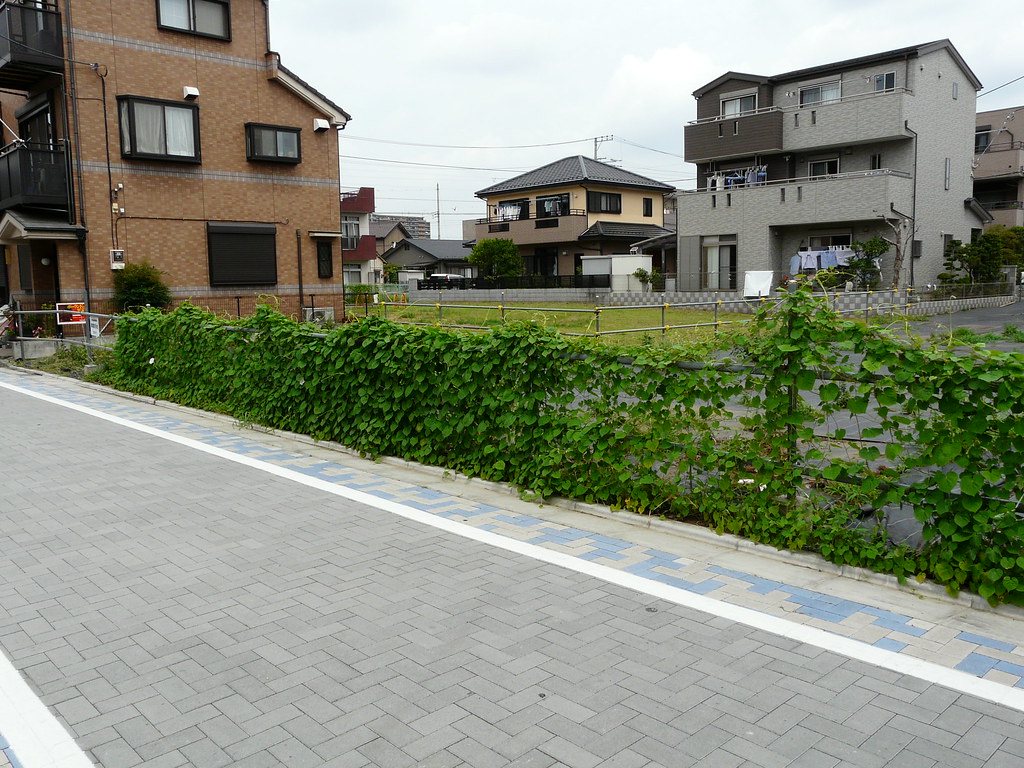
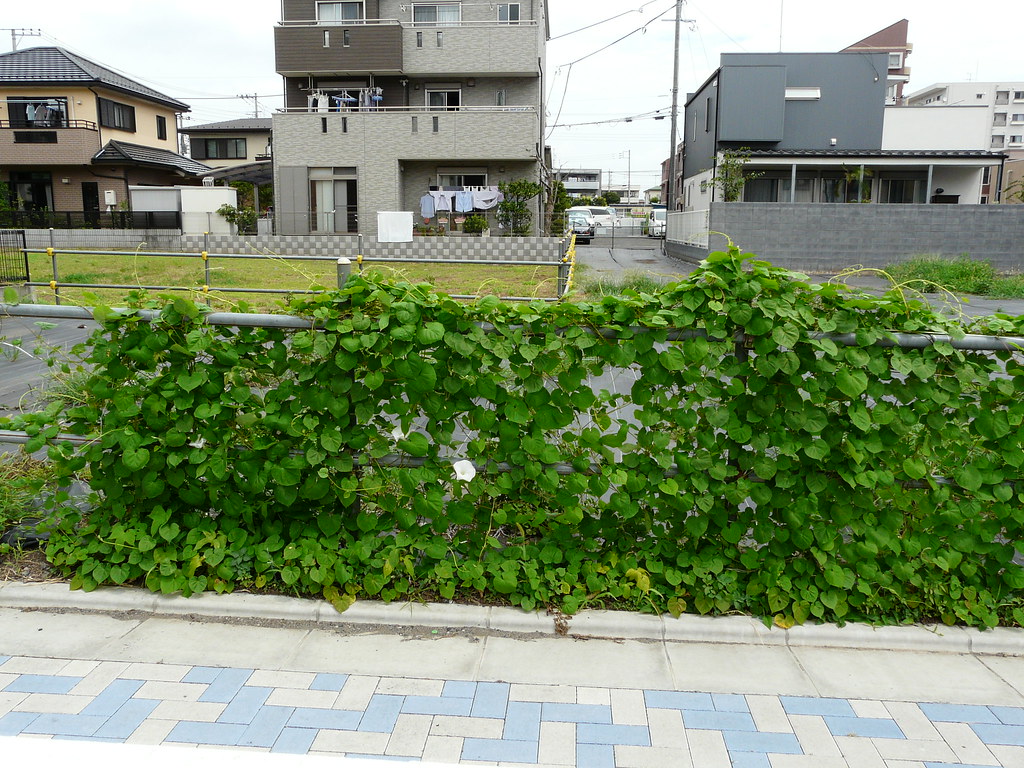
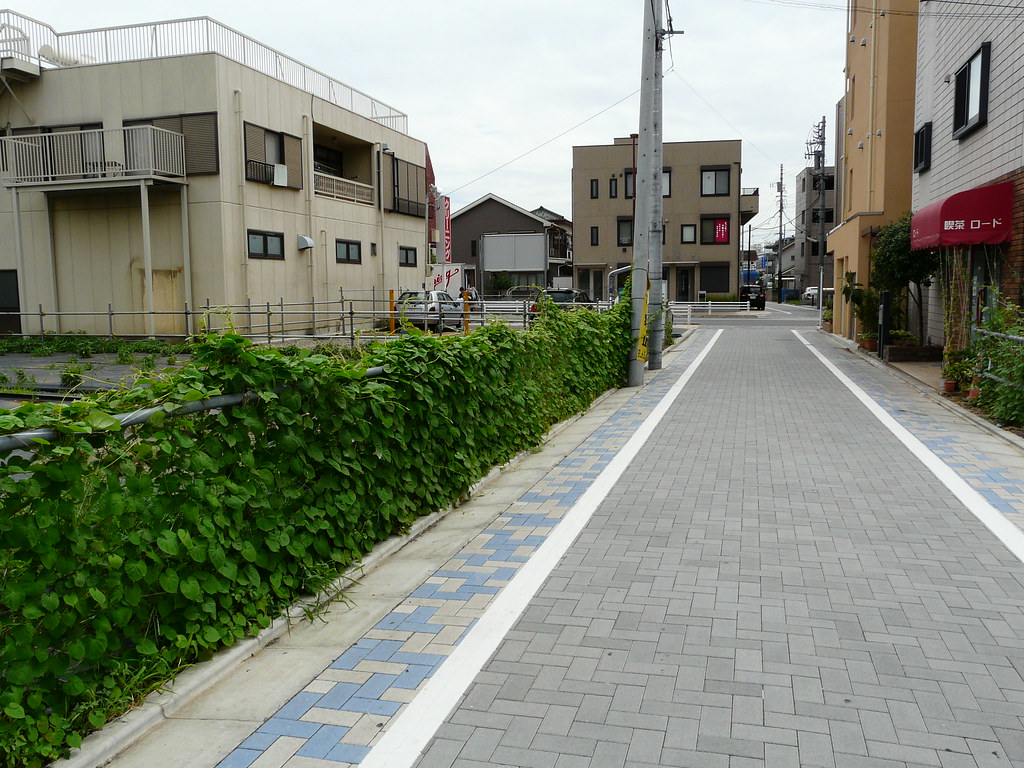
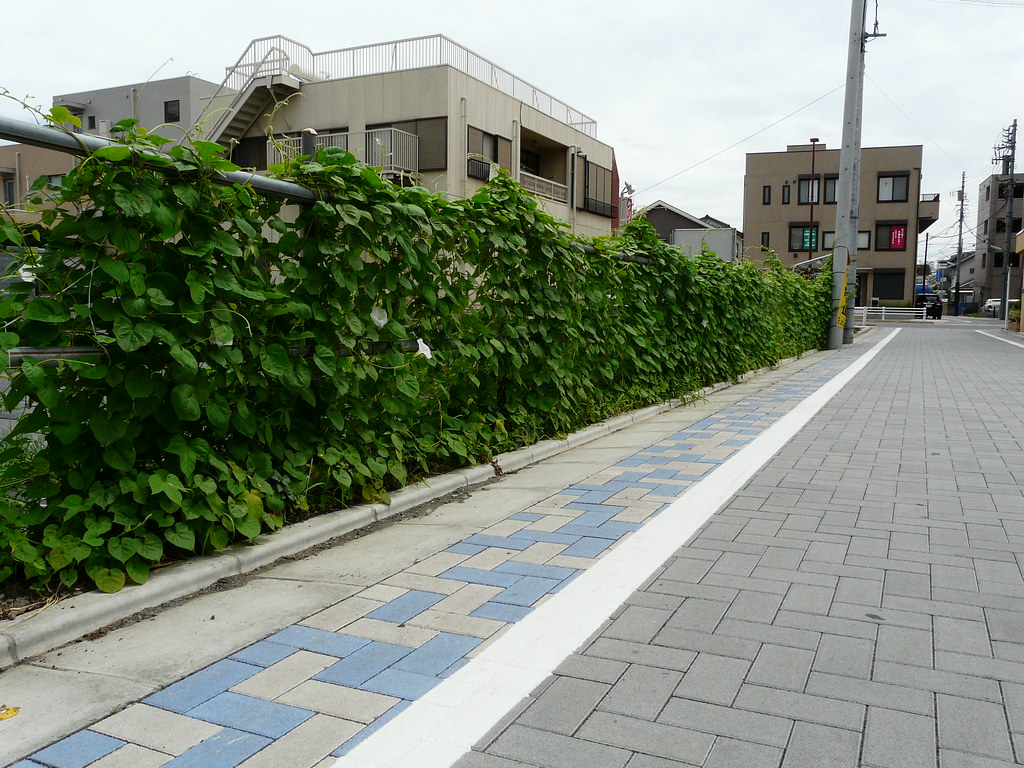
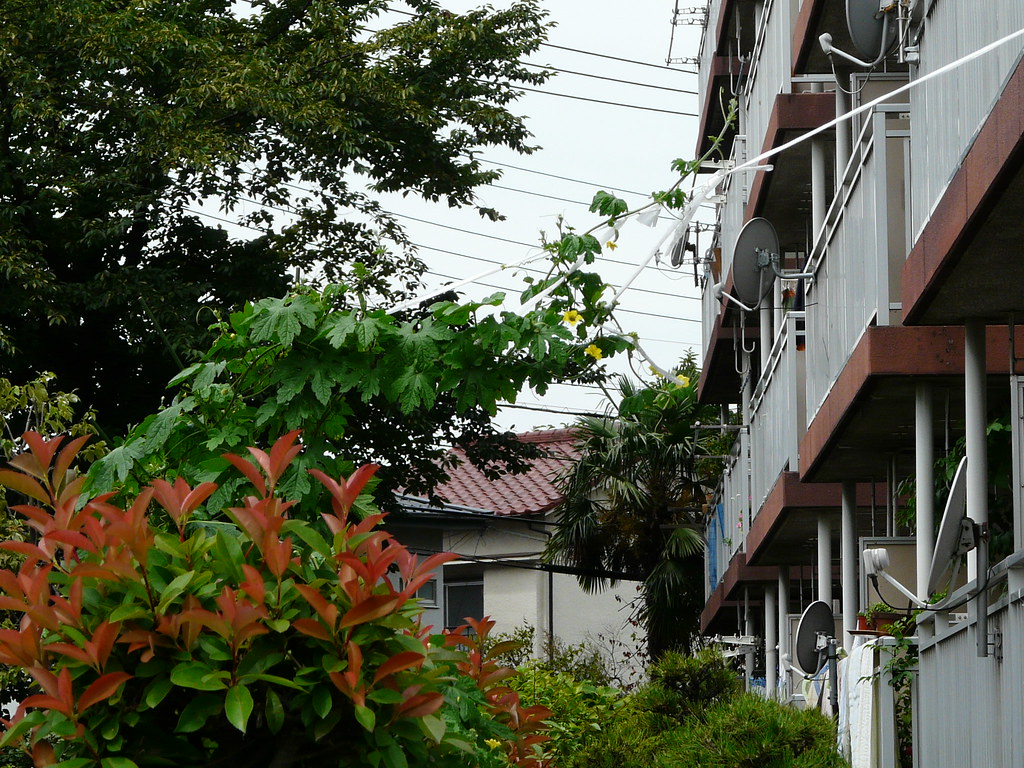
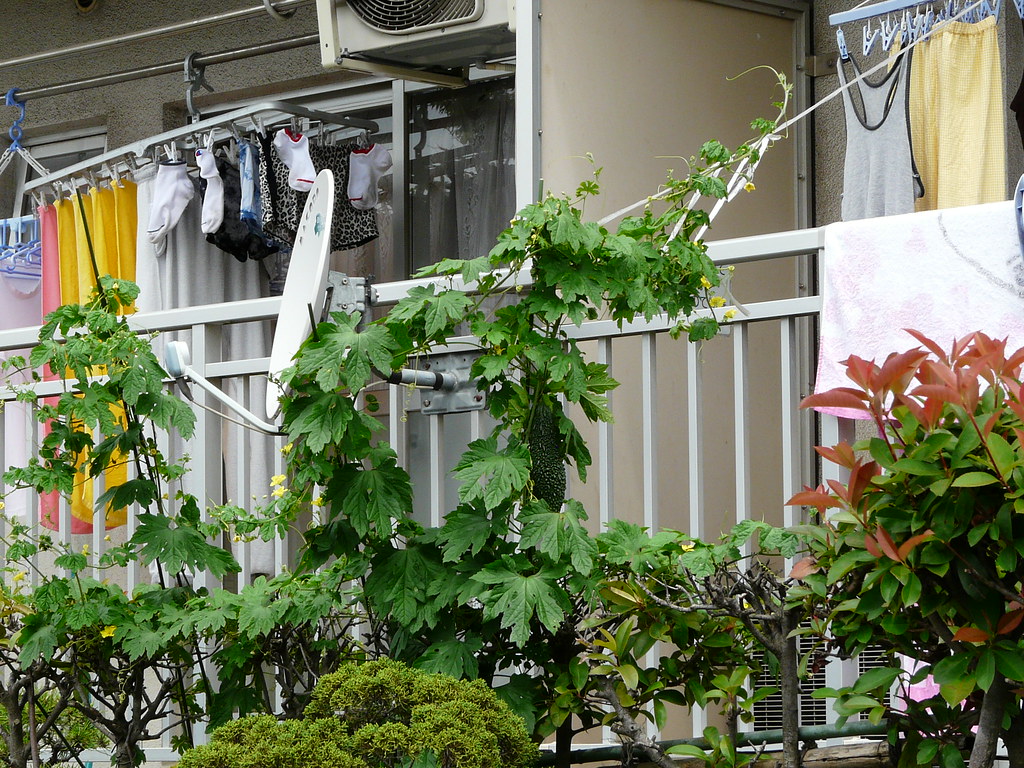
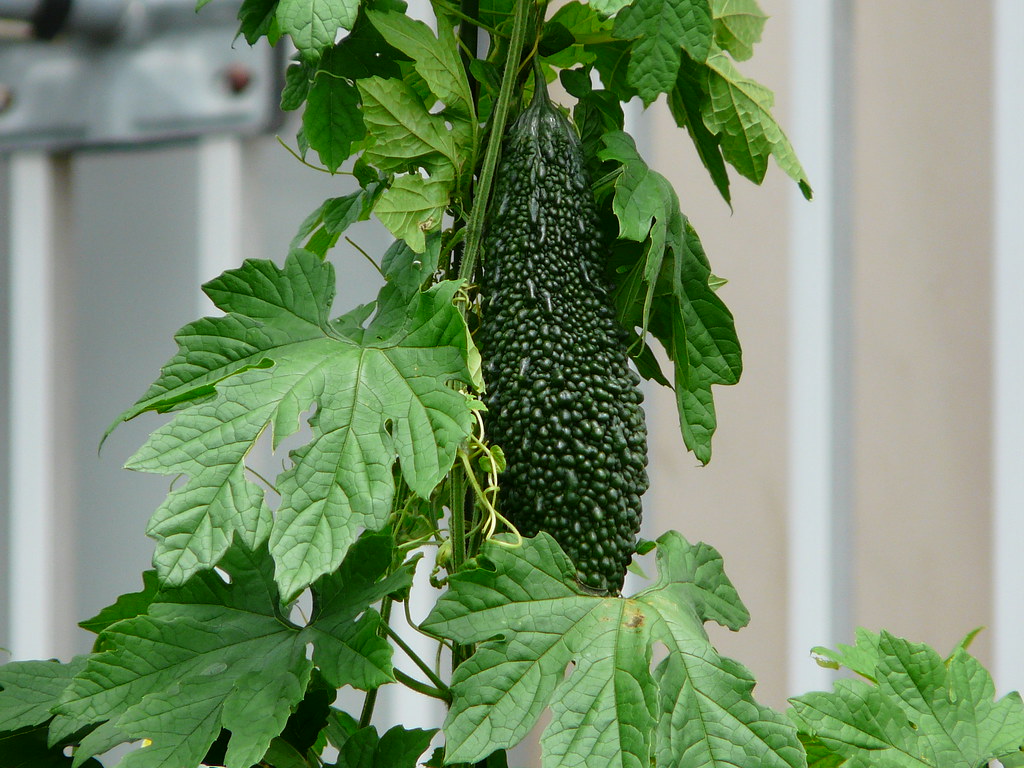
This goya is being trained up and over the pathway in front of the apartment building to the balcont of a first floor apartment.
I like the way that the owner has not only appropriated the patch of earth in front of her residence but also created a physical (and visible to all) connection between the two.

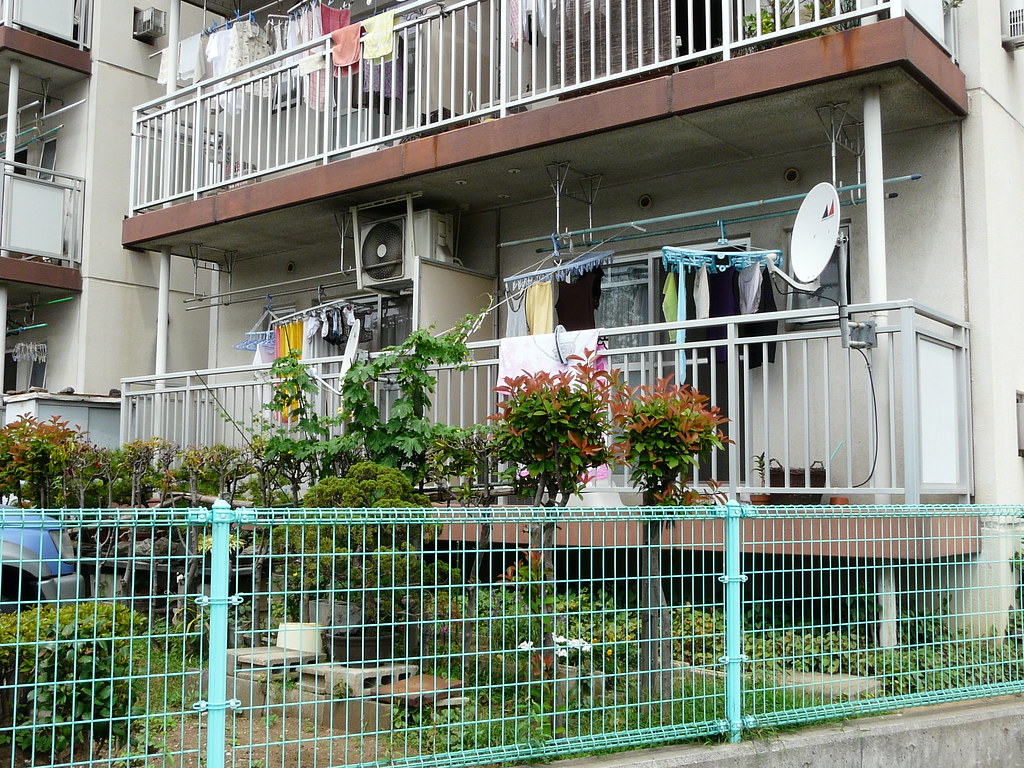
Materials: Plastic Twine
Location: Akishima, Tokyo
(Originally posted on Tokyo-DIY-Gardening)
A4 sign signalling a no-entry zone at rugby training.
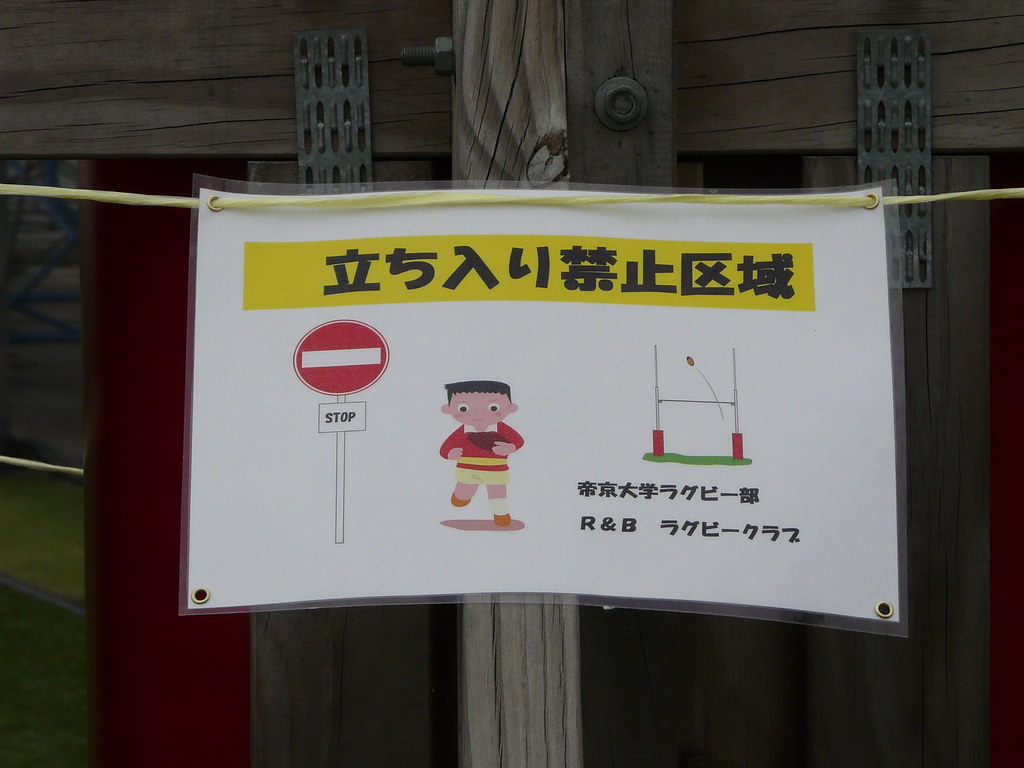
Materials: Laminated A4, Plastic Twine
Location: Hino, Tokyo
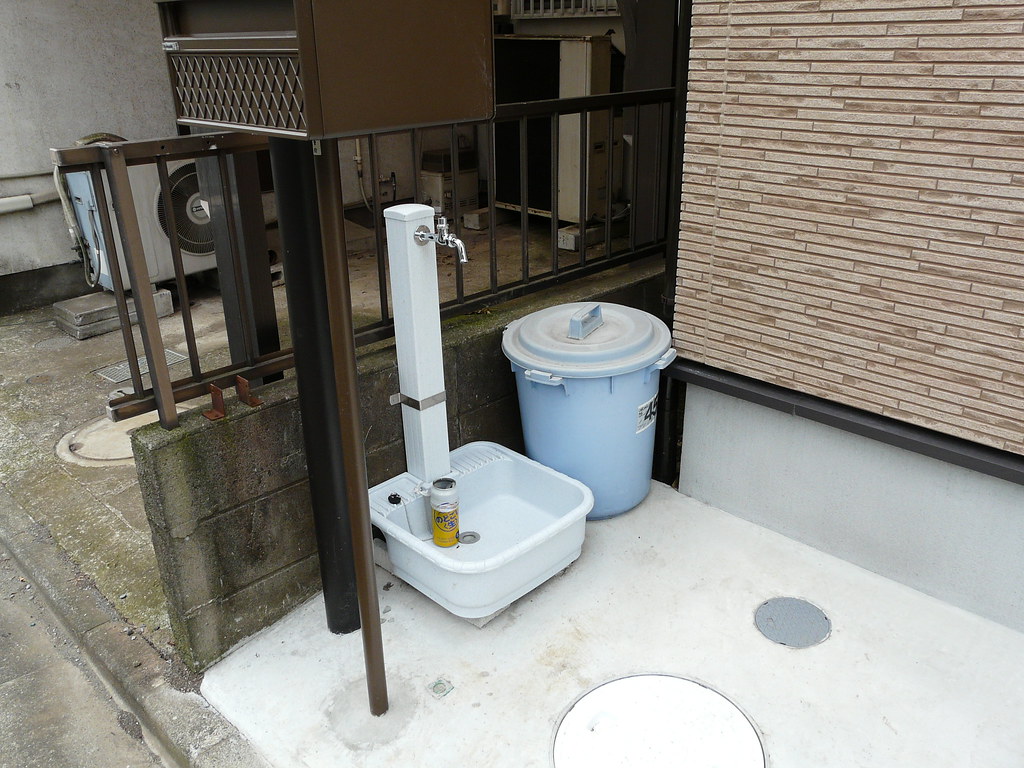
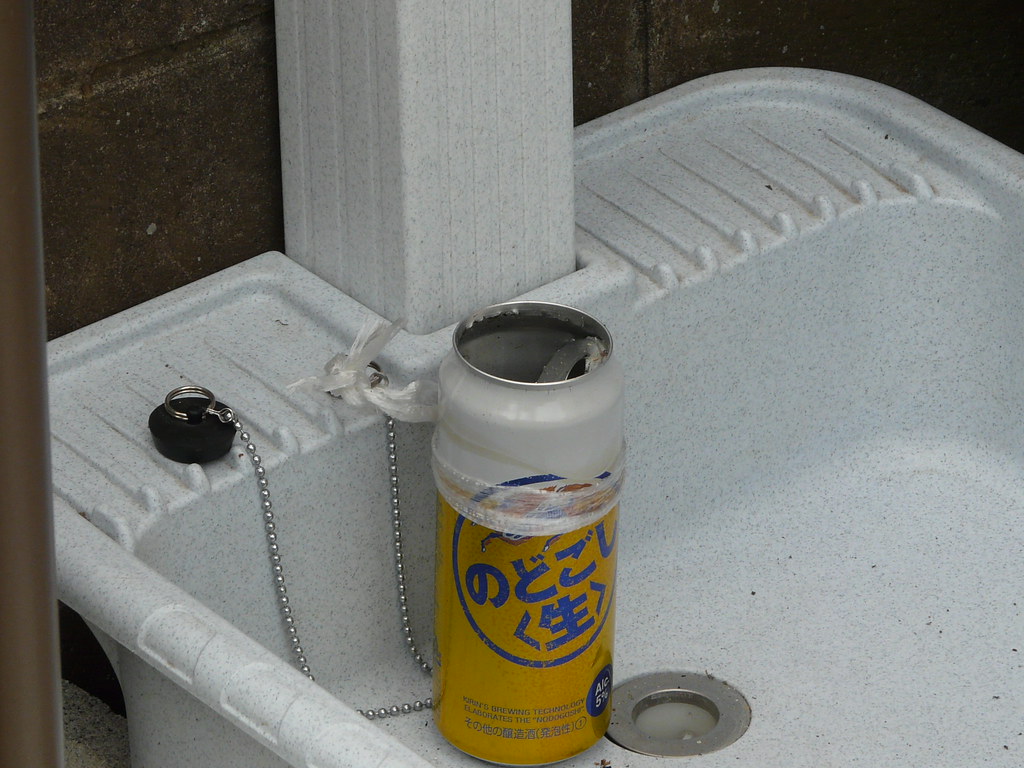
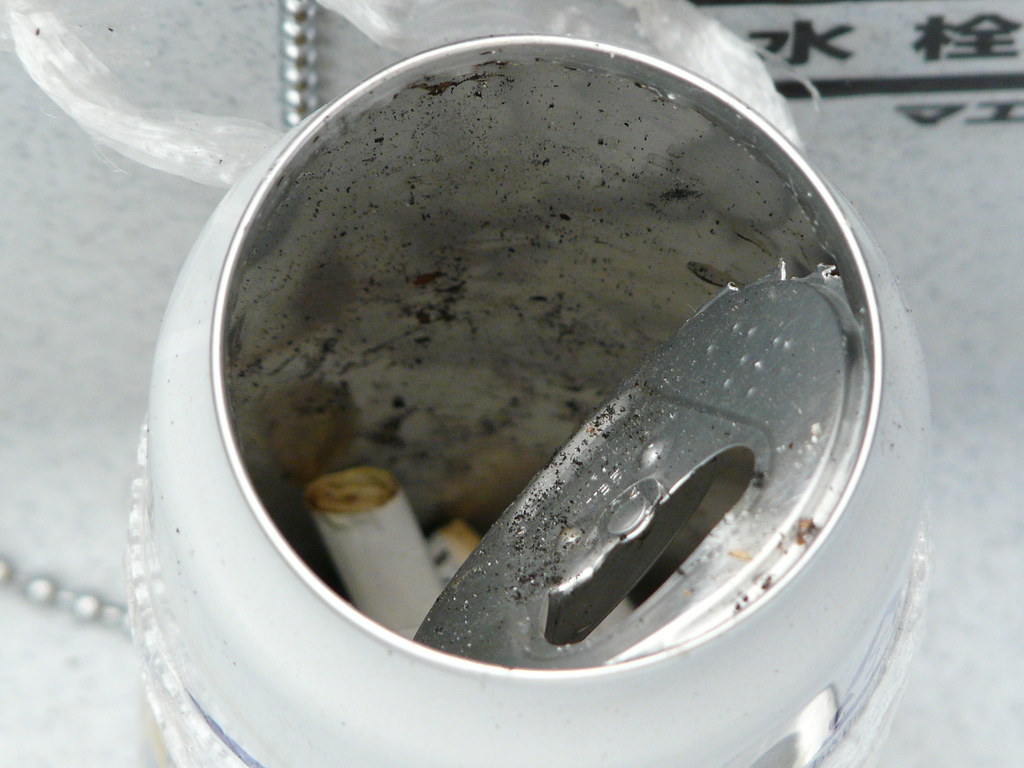
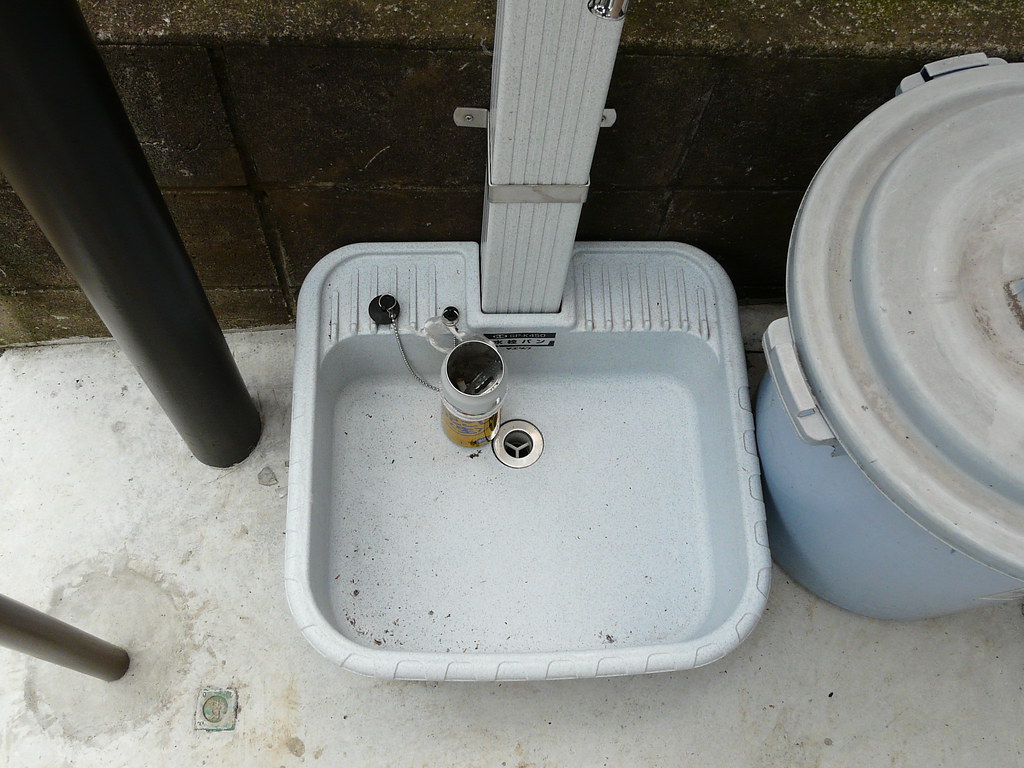
Banned from smoking in the newly built residence (the last one burnt down) the man of the house has created a smoking area in his outdoor sink with an opened empty beer can tied to the stand with plastic twine.
Materials: Beer Can, Plastic Twine
Location: Akishima, Tokyo
[Thanks to Joseph Tame, Tokyo-based freelance marketing manager, new media producer, entrepreneur, performer and marathoner for this garden fix originally posted on his microblog]
“With the onset of string winds, I replace *Twinkle’s* ex-jewellery stand with this ex-umbrella, carefully dismembered with my favourite pair of pliers.” (Joseph adds – “I did actually ask my wife before I took her jewellery stand to use as a stake to hold the sunflowers up.”)

Materials: Umbrella, Plastic Twine
Location: Meguro, Tokyo
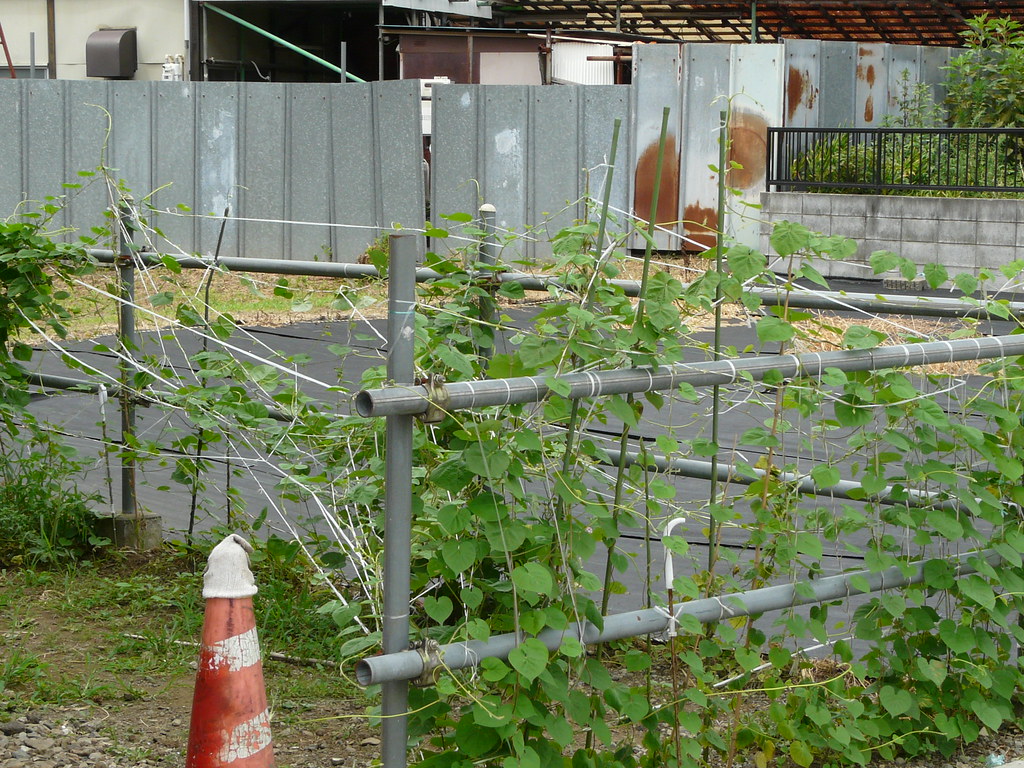
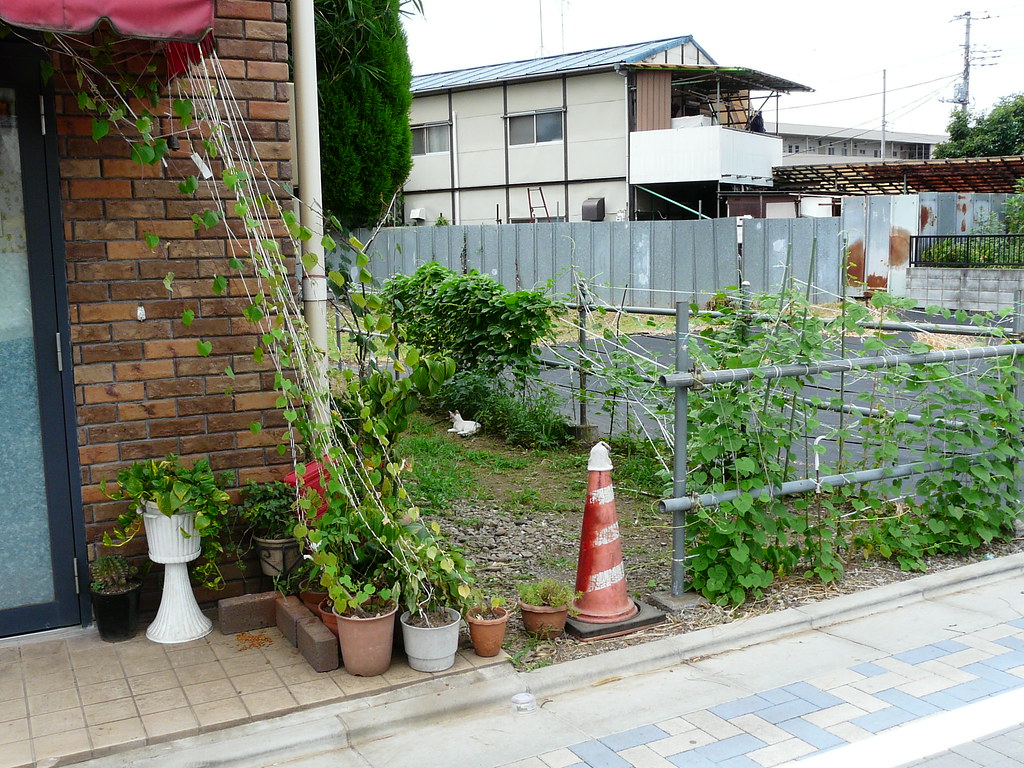
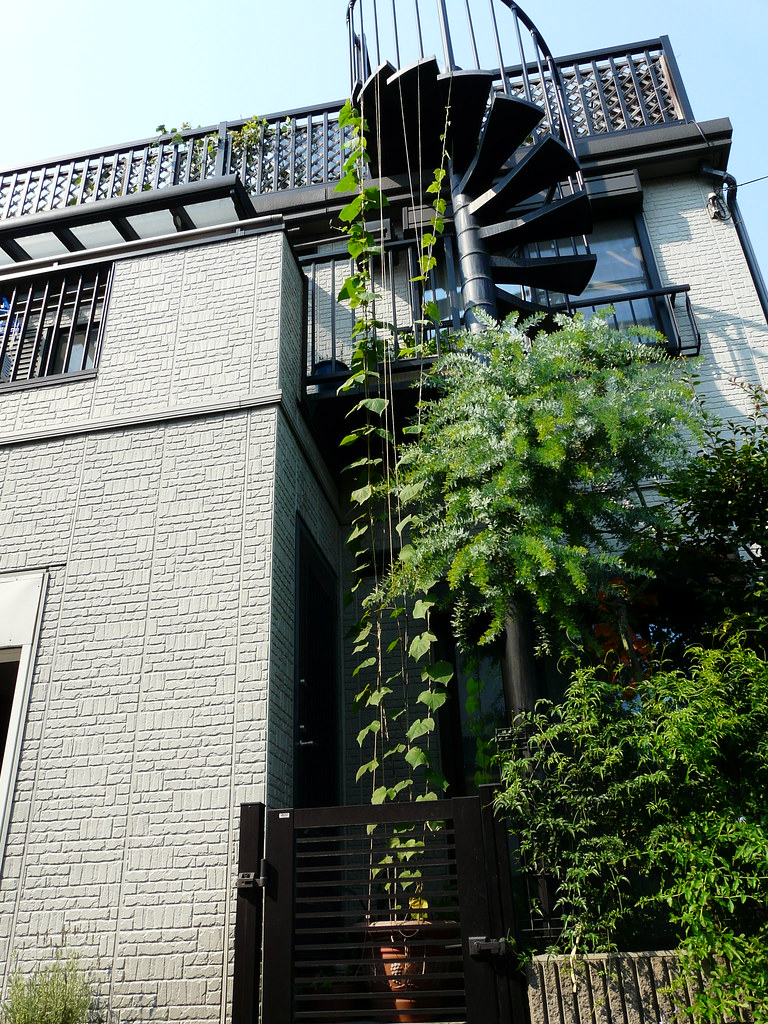
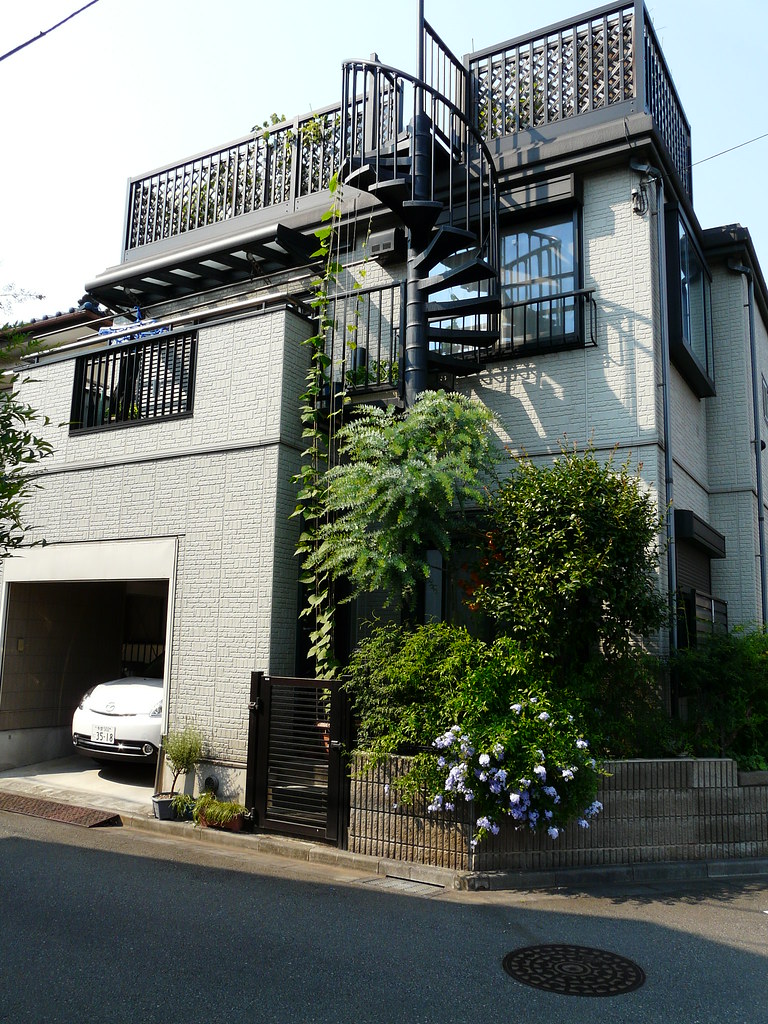
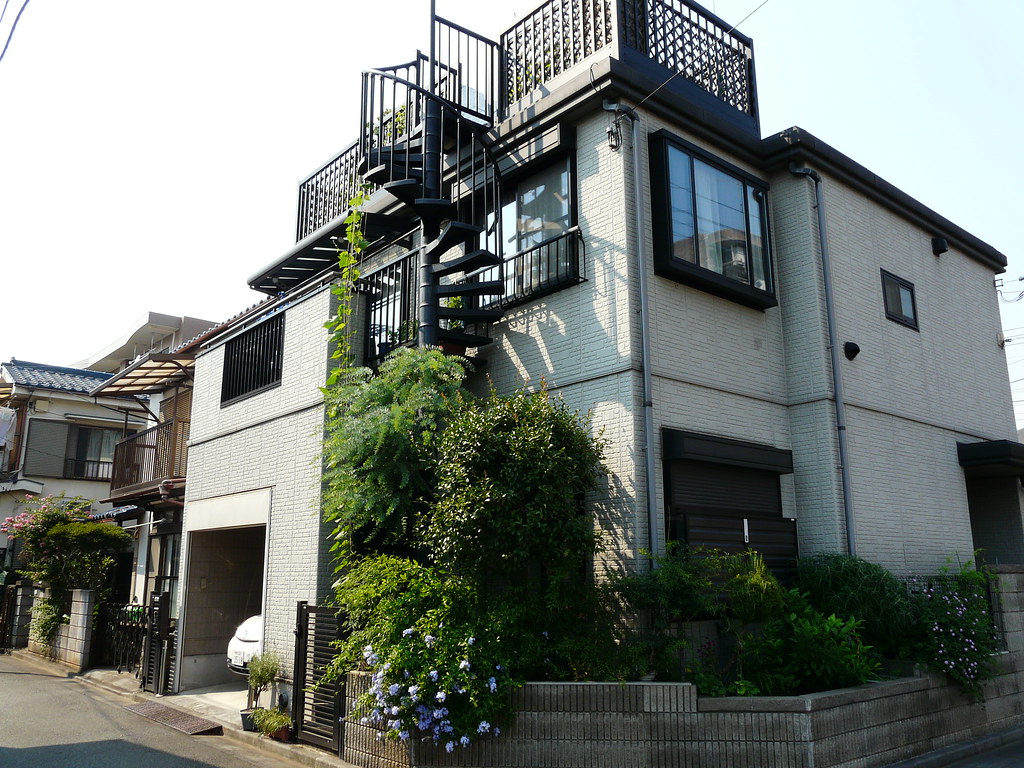
Plastic twine strung from the top an exterior spiral staircase to the fence below creates climbing structure for an asagao (Morning Glory). An interesting take on the classic balcony green curtain.
Materials: Plastic Twine
Location: Akishima, Tokyo
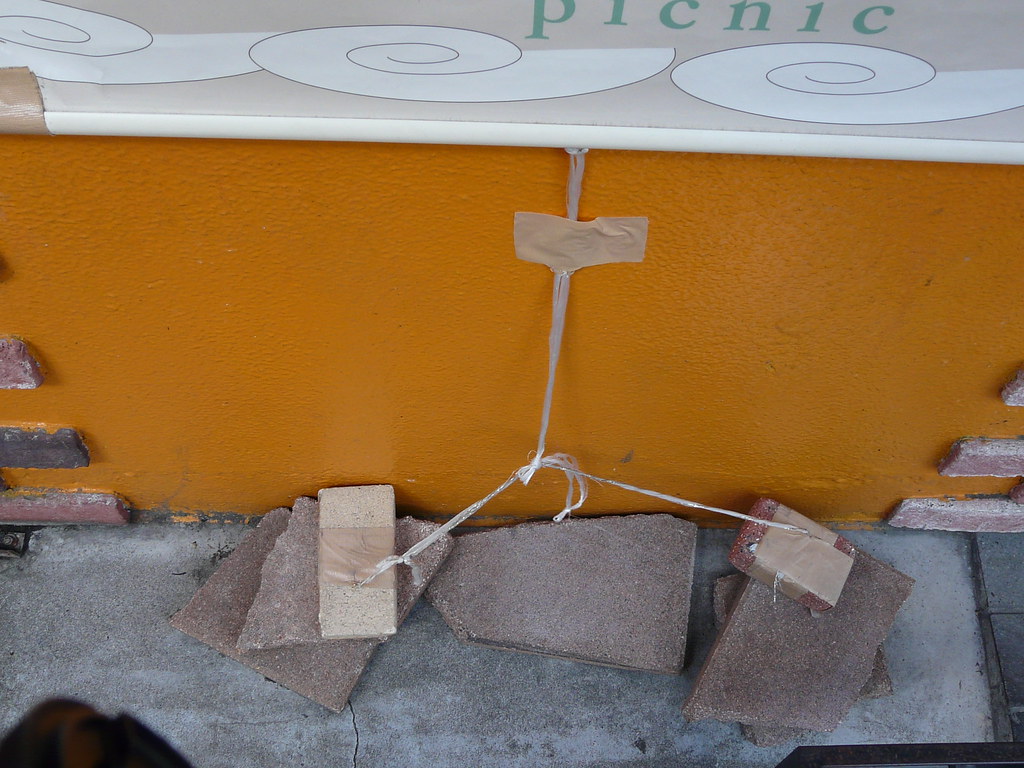
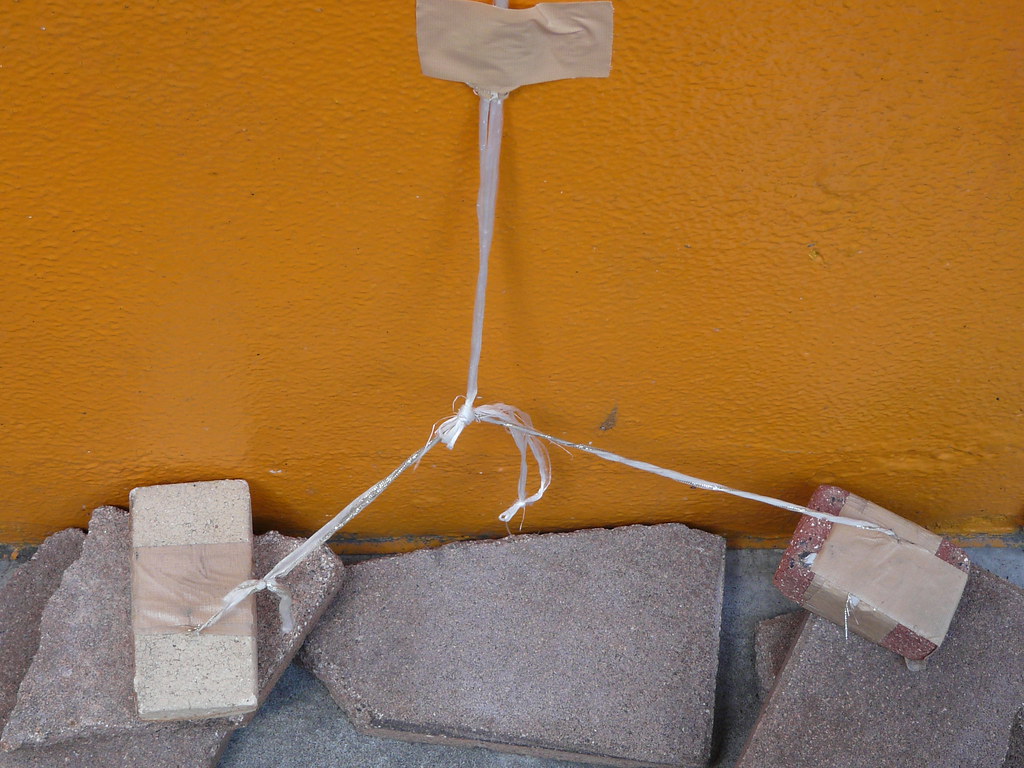
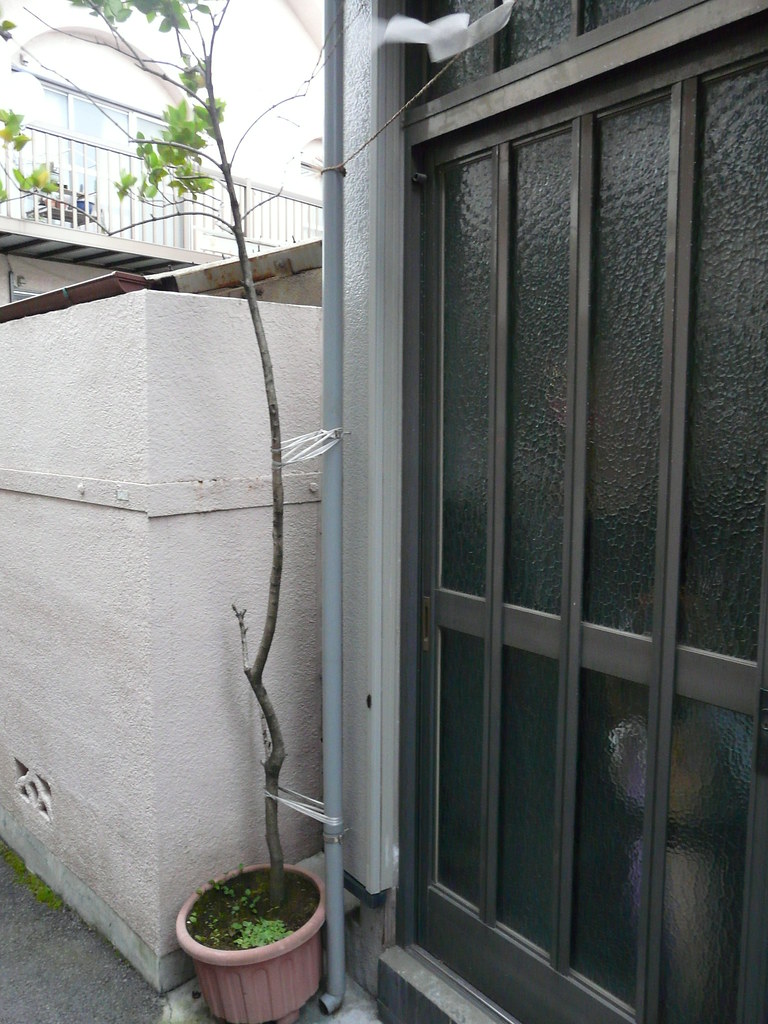
Another entry in the “security or stabilization?” series..[e.g. 1], [e.g. 2].. This one looks as if it is secured to keep the tree from obstructing the front entrance.
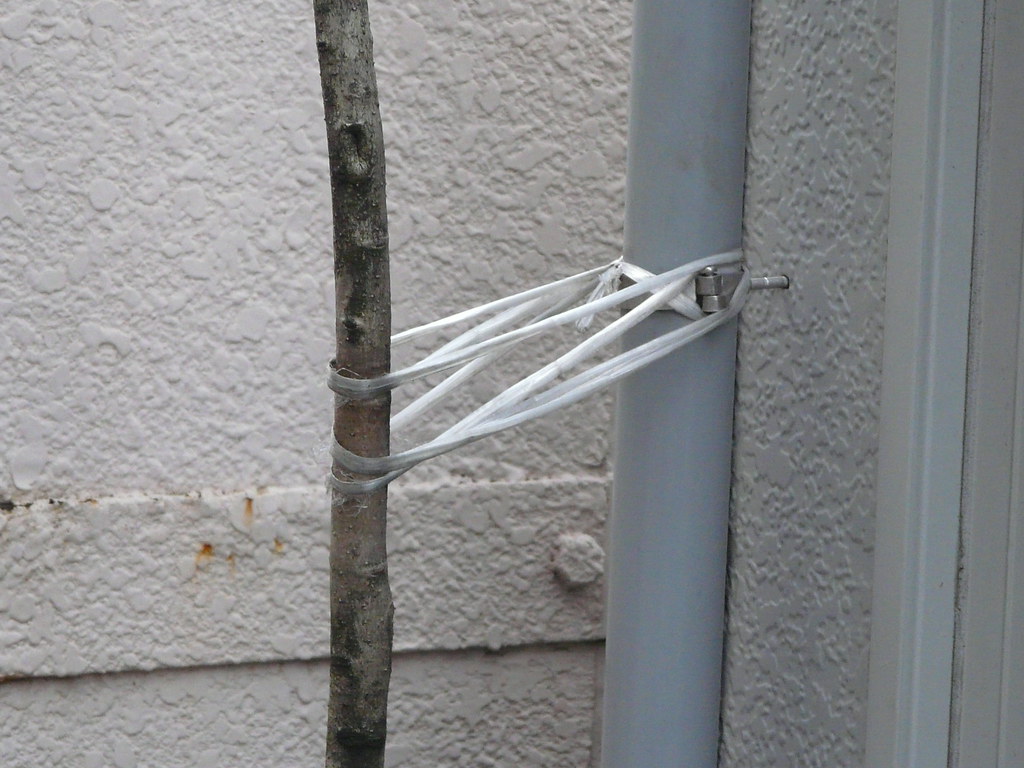
Materials: Plastic Twine
Location: Yanaka, Tokyo
(Originally posted on Tokyo-DIY-Gardening.org)